If you click on a link and make a purchase we may receive a small commission. Read our editorial policy.
From VHS hunts to IMAX premieres: How Demon Slayer shows anime’s rise into the cultural mainstream [Popverse Jump]
Seeing the new Demon Slayer movie before DC Studios' Superman made one thing clear: anime has fully crossed into pop-culture dominance.
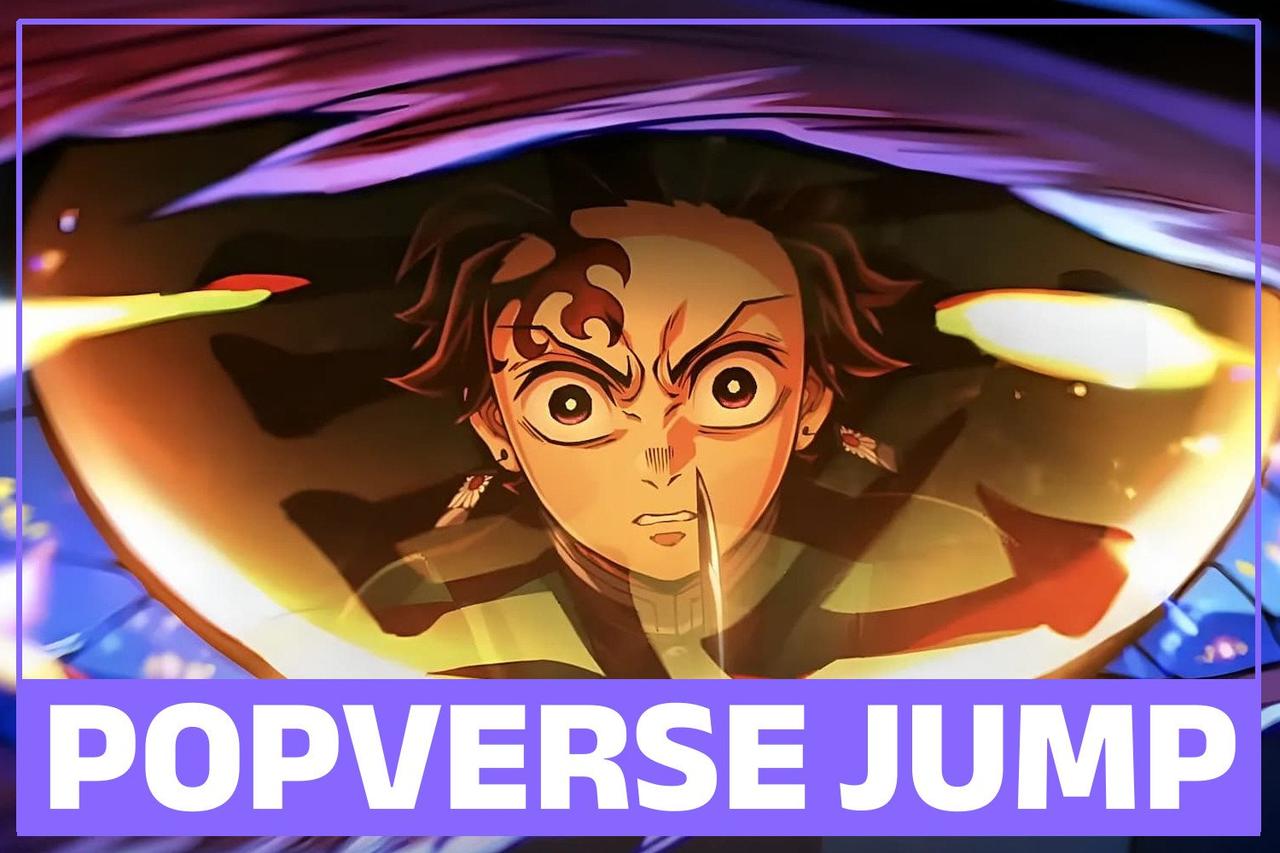

Enjoy this complimentary article, previously available exclusively for Popverse members. If you like what you see, consider becoming a Popverse member.
For fans who have been following anime for a long time, it is hard to deny that things feel different these days. Where we used to have to shell out $20 for a VHS tape with maybe four (badly translated) episodes of Dragon Ball on it, we can now stream more anime than we could possibly watch delivered to our screens every month. But it isn’t just the sheer quantity of anime available to watch that is driving the fandom along now. As Demon Slayer: Kimetsu no Yaiba – Infinity Castle hits cinemas in the United States, it proves that anime isn’t just a niche interest; it is well and truly mainstream now.
I’ve known that anime was going mainstream in the West for a long time now. Goku and Luffy are now mainstays in the iconic Thanksgiving Day Parade in New York, coinciding with a growing mountain of data that shows that anime is one of the fastest-growing areas of pop culture today. Demon Slayer Infinity Castle is showing multiple times a day at every cinema in my town, including on the only IMAX screen, throughout the weekend when even Mugen Train only got a few showings before it was shuffled off in favor of something else.
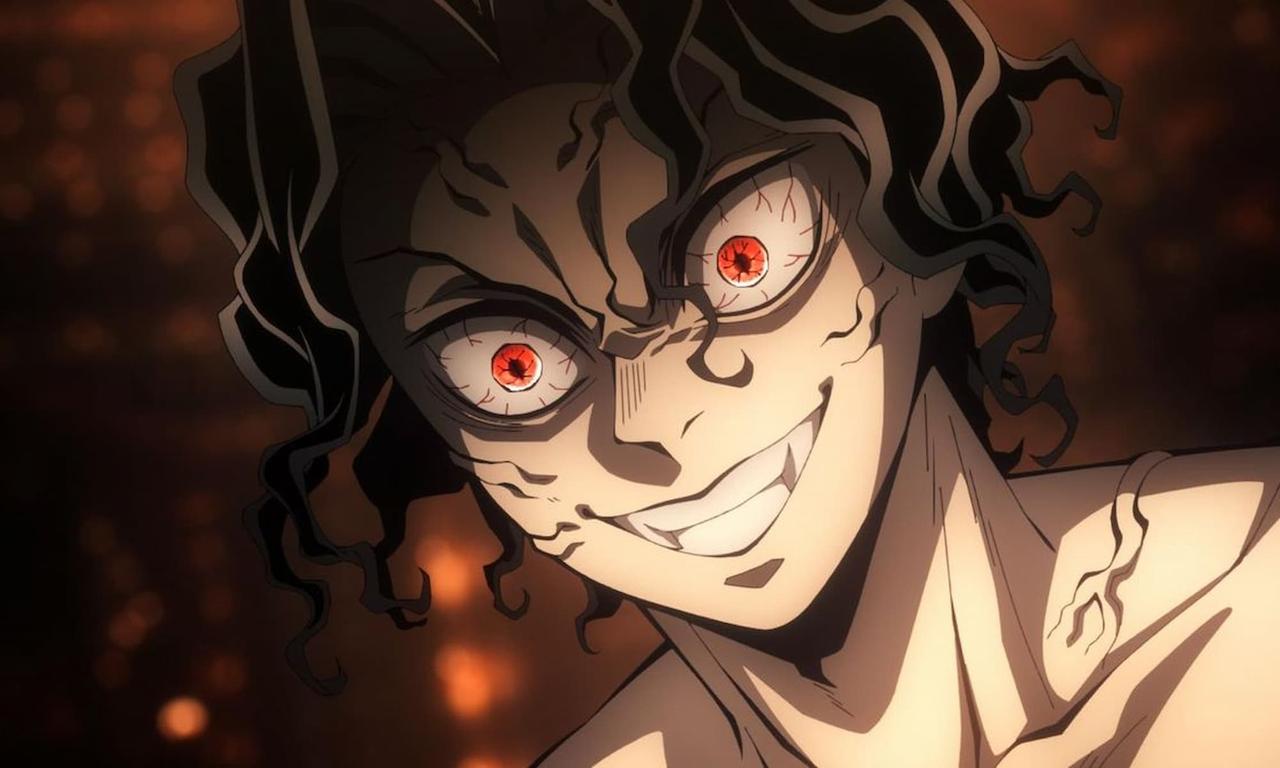
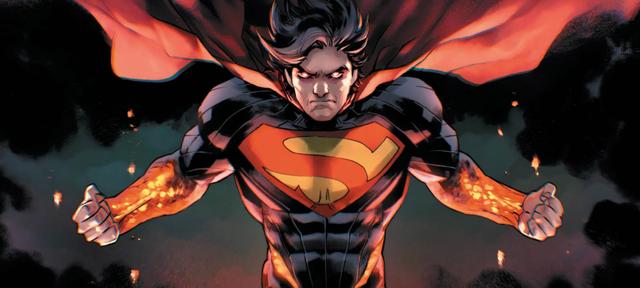
I’m aware of all these things, both as a fan and as someone with a professional interest in anime. I’m aware that Netflix, with its unfathomably large subscriber base, sees anime as a key genre for its future success and is constantly expanding its catalogue to keep up with demand. I know that Sony is slowly and not-so-quietly trying to position themselves as the biggest name in anime production as well as dubbing and streaming (they own Crunchyroll, after all). But the change in how anime is viewed by society at large didn’t really hit me until I sat down to watch Superman in cinemas this summer and a trailer for Demon Slayer: Kimetsu no Yaiba – Infinity Castle played.
I don’t know why it caught me off guard to see a trailer for the Demon Slayer Infinity Castle movie before watching Superman on the big screen; I’ve watched views on anime change over the years firsthand, both as a fan and as a journalist. However, there is something about having anime delivered to me, unbidden and without having to search it out.
That, to me, is the biggest change in how I watch anime now compared to when I was growing up in the 90s. Back then, if you wanted to watch anime, you had to work for it. Being an anime fan back in the day was a full-time hobby that became your whole personality because you spent more time finding shows than you did actually watching them. So, sitting down to watch a distinctly mainstream movie and seeing a trailer for Demon Slayer was something of a moment for me. My first instinct was to wonder why they were showing such a niche trailer before what could become the biggest movie of the summer (we were still weeks away from the Fantastic Four premiere). But it was followed swiftly by a second thought – they weren’t.
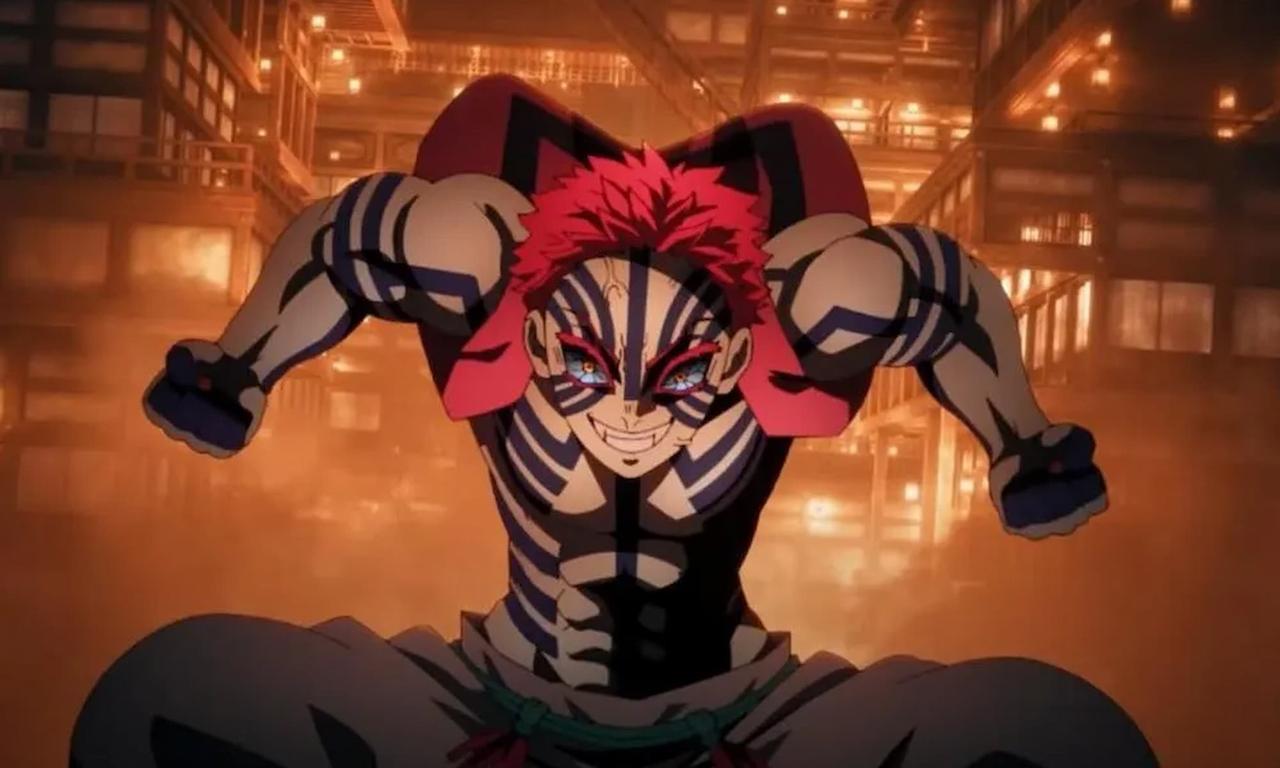
This wasn’t some obscure fandom movie that had somehow snuck in ahead of Superman; it was the trailer for the new Demon Slayer movie, which has a good chance to become the highest-grossing Japanese movie of all time once it surpasses the box office of its predecessor, Demon Slayer: Kimetsu no Yaiba – Mugen Train. Sony wasn’t trying to convince people to give their little film a chance; they already knew that their audience was in the cinema, and they wanted to simply remind them that Demon Slayer was coming back to the big screen.
The anime industry keeps growing and so does the number of fans eager to watch the shows and movies coming out of Japan. Demon Slayer Infinity Castle isn’t what is driving the emergence of anime as a legitimate pop culture force to be reckoned with, but its acceptance into the mainstream is a sign that anime is indeed having a moment. Not only has it never been bigger than it is right now, but fans no longer have to go looking for it. Anime is as mainstream as anything else, and that is a wonderful thing to see.
Want to know what's coming up next in pop culture? Check out Popverse's guides to:
Follow Popverse for upcoming event coverage and news
Find out how we conduct our review by reading our review policy
Let Popverse be your tour guide through the wilderness of pop culture
Sign in and let us help you find your new favorite thing.

Comments
Want to join the discussion? Please activate your account first.
Visit Reedpop ID if you need to resend the confirmation email.