If you click on a link and make a purchase we may receive a small commission. Read our editorial policy.
Seven Seas Entertainment becomes latest independent manga publisher to get purchased as an AI future for publishing looms
Media Do have invested heavily in their own AI-based translation model, which has alarm bells ringing for manga fans after their recent purchase of Seven Seas Entertainment.

The manga industry seems to be in constant flux at the moment. Even as the global market for manga and anime grows, the companies that focus on bringing us our favorite Japanese comics and light novels are constantly shifting. Sony made waves in 2024 when they became the largest shareholder of publishing giant Kadokawa, and now, in 2026, Seven Seas Entertainment has been purchased by Media Do, an e-book distributor that has been a major proponent of AI translation in manga.
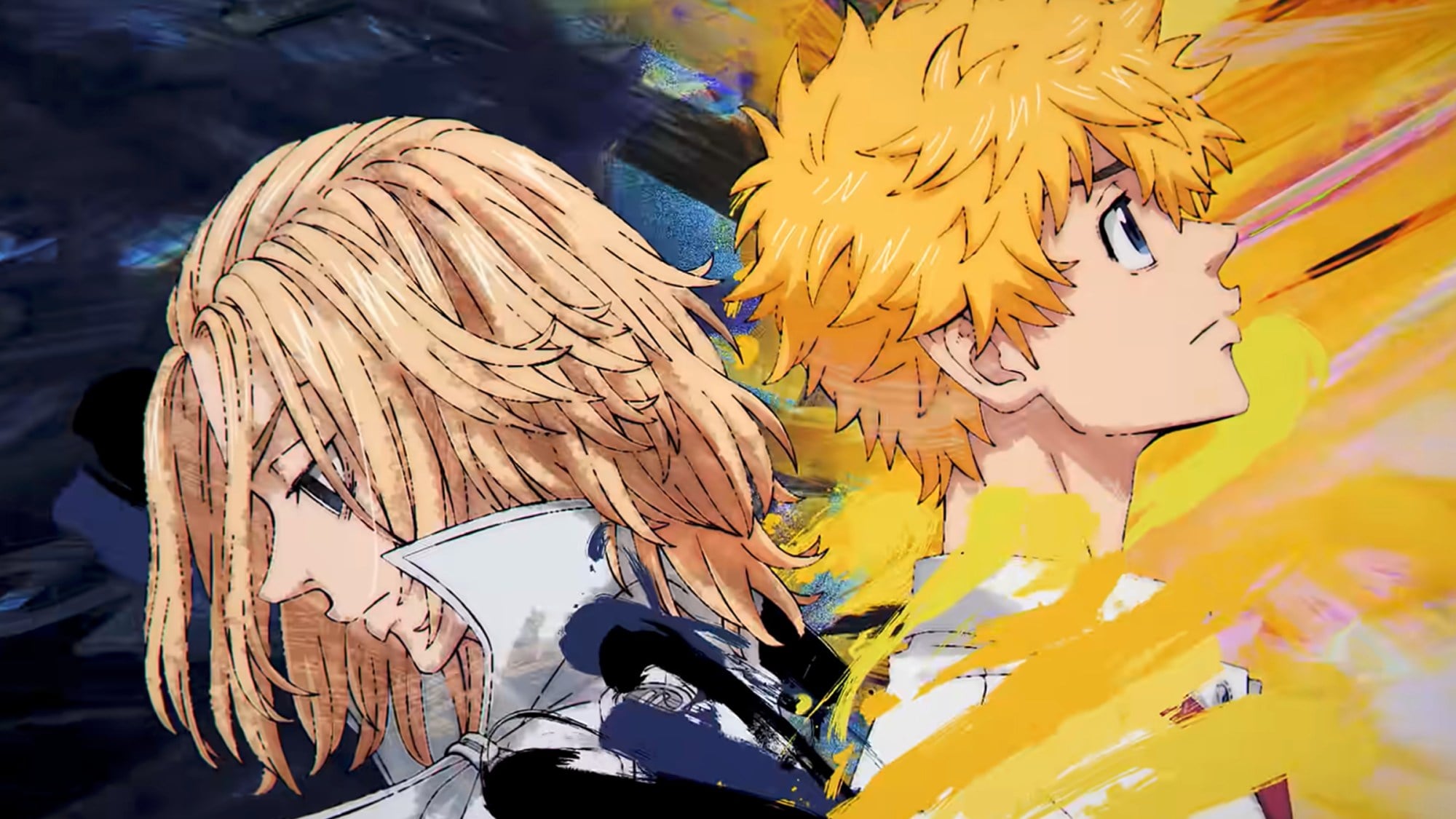
To understand the scope of this shake-up, you need to remember that Seven Seas Entertainment was the largest independent publisher of English-language manga and light novels. They held a crucial role in bringing localized manga to the Western market. Their catalogue includes massive titles like Tokyo Revengers, Darling in the Franxx, and, one of my personal favorites, Tomo-chan is a Girl. They weren’t confined by genres; they handled the translation and distribution of both niche and mainstream titles.

The initial announcement about Media Do purchasing Seven Seas Entertainment through their US-based holding company came on March 1, 2026 and was quick to assure fans that nothing was going to immediately change about the company. The existing leadership team and editorial direction weren’t in danger. “There are no changes to distribution, publishing schedules, or core operations as a result of this transaction. All Seven Seas print imprints will continue to be distributed worldwide by Penguin Random House Publisher Services.” That message can be seen as being as much for retailers as fans, both of whom could be forgiven for worrying about orders being fulfilled in this time of change for the company.
That is certainly good to hear because it means that no one is (immediately) losing their job as a result of this change. However, the thing to watch for is how long Seven Seas can maintain its own editorial direction, which, up to now, has been to employ translators and localizers when bringing Japanese manga, Korean Manhwa, and Chinese manhua to the English-speaking world. Fans trust Seven Seas to produce quality translations, not AI slop.
Why is that important to note? Well, Media Do have invested heavily in their MediaDo Translation System (MDTS), which is an AI-assisted translation system. In their announcement document, Media Do commented that they see the acquisition of Seven Seas Entertainment as pairing with their existing use of the MDTS to help them break into the physical market. Even if they don’t immediately force Seven Seas to use their AI-based translation models, it is only a matter of time before they do. They outright say that they’re after Seven Seas' production structure rather than its network of translators or existing staff.

We don’t need to tell you about the dangers that reliance on AI and machine translation pose to the localization process – we asked translators in the manga industry what they thought and the answers were overwhelmingly negative. Machine translation strips the nuance from text and, in a language like Japanese, can make the resulting English dialogue incomprehensible and bland. One translator we spoke to dubbed it the “enshitification” of the manga and anime industries.
So we know that translators don’t see the benefit of AI; not only does it threaten to take their jobs, but it also makes the jobs they do have harder. And while it will make it easier to bring more manga to the international market, it is often a case of quantity over quality. There is already more manga to buy than we could possibly read. We don’t need AI slop making it harder to find the good stuff.
For over twenty years, Seven Seas Entertainment has built a catalogue of over 1300 titles, making it the largest independent publisher of manga and light novels in the English-speaking market. They brought a solid mixture of niche and mainstream stories to the West that made them an important part of the publishing ecosystem. Their days of independence are sadly over; we can only hope that their new owners let them operate with an eye on quality going forward.
Want to know what's coming up next in pop culture? Check out Popverse's guides to:
Follow Popverse for upcoming event coverage and news
Find out how we conduct our review by reading our review policy
Let Popverse be your tour guide through the wilderness of pop culture
Sign in and let us help you find your new favorite thing.








Comments
Want to join the discussion? Please activate your account first.
Visit Reedpop ID if you need to resend the confirmation email.