If you click on a link and make a purchase we may receive a small commission. Read our editorial policy.
From John Carter to Anne McCaffery and beyond: 5 early romantasy books that shaped the genre
From Edgar Rice Burroughs’ John Carter to Anne Bishop and Emma Bull, these early romantasy books laid the foundation for today’s fantasy romance boom.

If the success of books like Rebecca Yarros’ Fourth Wing or the many Courts of Thorns and Roses novels by Sarah J. Maas is anything to go by, romantasy is probably the hottest genre in book publishing at the moment, and it’s easy to see why — combining the thrills and escapist appeal of the fantasy genre with the emotion and, well, other thrills of the romance genre, it’s the PB&J of literature in the very best way, with romantasy able to make metaphor from tricky relationship dynamics to underscore what the story is really about in a way that more traditional romances can’t. Not to mention, adding romance to fantasy gives the reader something beyond the just-created-and-introduced lore to care about as they’re reading. I’m looking at you, all of the bad fantasy books I read as a teen.
While romantasy might feel like it’s only been around — and certainly, only dominating the book charts (raising print book sales for the first time in years in the process) — for a handful of years, its history is far longer, and far deeper than fans might expect. Hell, even the term itself was added to the Urban Dictionary close to 20 years ago, meaning that it was just there, waiting to be discovered by its eager, hungry audience by the time that A Court of Thorns and Roses debuted on shelves back in 2015. (It’s worth considering whether or not Sleeping Beauty could be called a romantasy, considering it’s both clearly a fantasy story and also a romance. You can decide for yourself, but whichever side of the argument you land on, know that someone is likely to disagree with you.)
With all of that in mind, we’re here to make your bedside table a little bit busier just in time for Valentines Day by adding to your must-read pile. Friends, lovers: here are five must-read Almost Romantasy* titles from the prehistory of the genre itself.
A Princess of Mars by Edgar Rice Burroughs (1917)
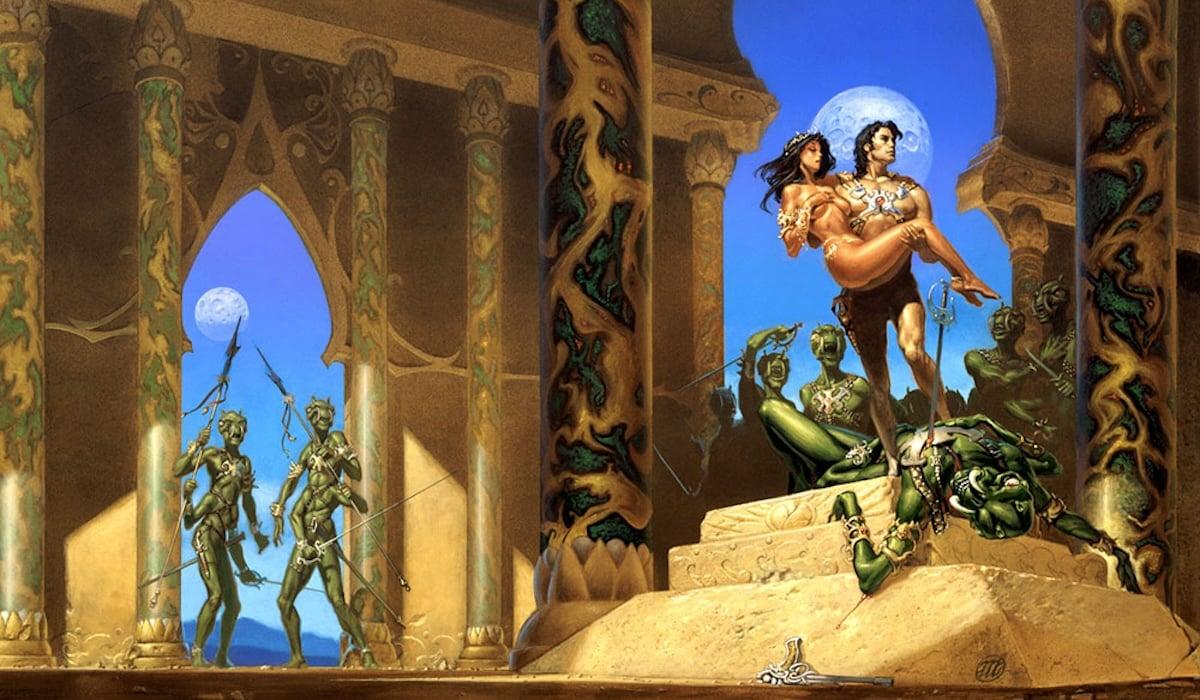
Originally serialized in pulp anthology All-Story Magazine five years before its collected edition, A Princess of Mars is likely better known as the first book in ERB’s John Carter series, which sees the Civil War veteran transported to Mars — or Barsoom, as its known to its inhabitants — where he falls in love with Dejah Thoris and becomes involved with another Civil War on the planet itself. As much straight fantasy as science fiction, the romance is central to this first story in a way that often gets overlooked, and certainly pushed to the background in subsequent sequels. Ignore all of that; this is very much a love story that just so happens to include other planets and fighting with aliens.
Dragonflight by Anne McCaffery (1968)
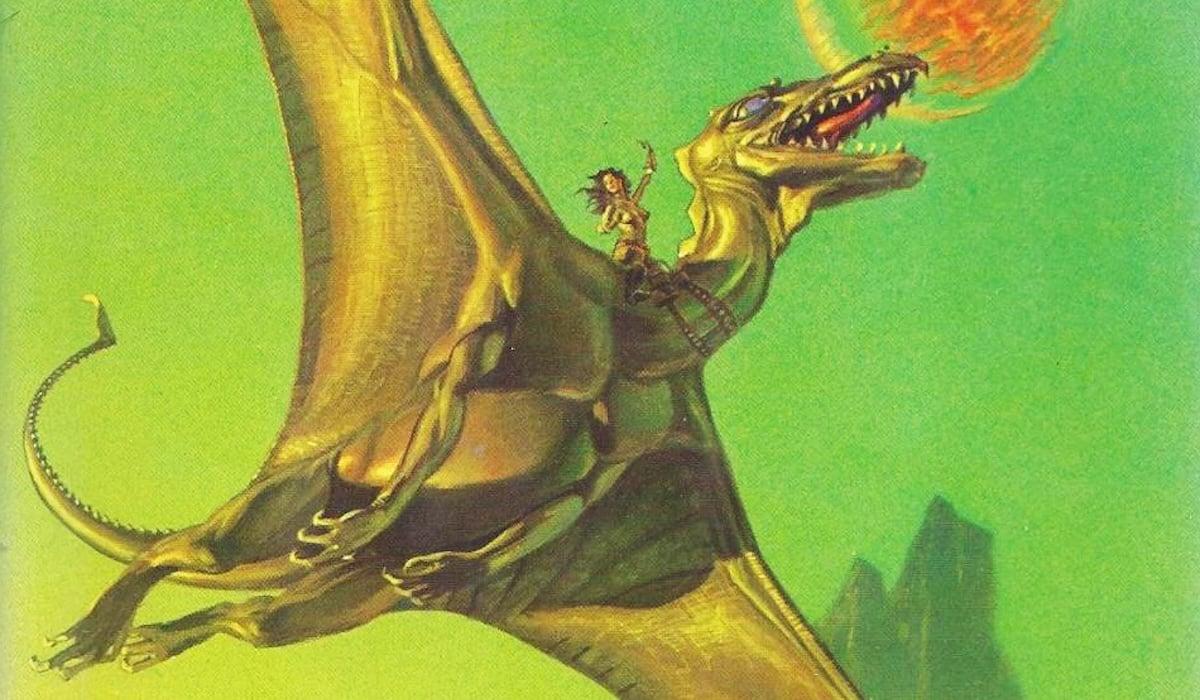
The first of McCaffery’s hugely successful Dragonriders of Pern series was, like A Princess of Mars, originally published in multiple parts in pulp anthologies; in this case, it wasn’t intended as a series, with the book Dragonflight being made up of two separate stories (‘Weyr Search’ and ‘Dragonrider’) published months apart and then combined with an unpublished third story to make the novel as fans know it today. Again mixing sci-fi with fantasy — there’s time travel and alien planets in here — this is ultimately the love story between the two lead characters Lessa and F’lar… and between their telepathically-bonded dragons, as well. Don’t think too hard about it; just sit back and enjoy.
War for the Oaks by Emma Bull (1987)
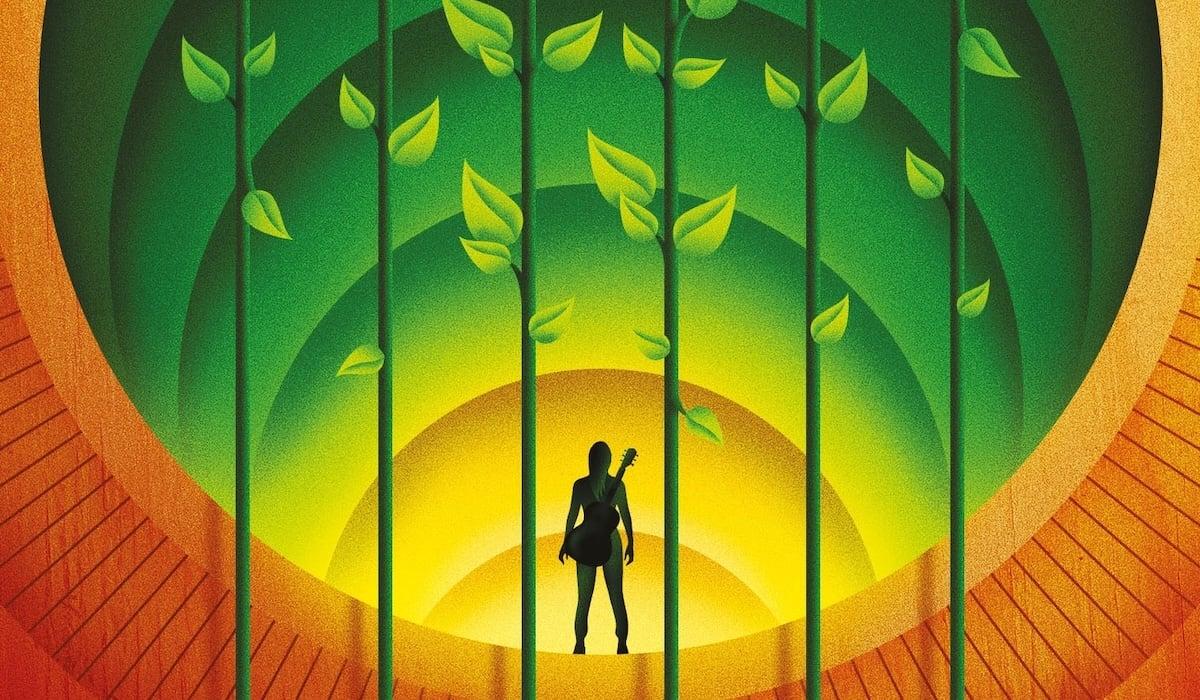
Considered by many to be the first “true” romantasy novel, War for the Oaks is also a fine example of 1980s ‘urban fantasy,’ wherein fantasy tropes intrude upon the real world. In this case, it’s musician Eddi McCamdry who finds herself in the middle of a war between fairies in contemporary Minneapolis. It’s a book very much of its time — one of the fairies (sorry, faeries in the terminology of the book) is described as looking like Prince, because that was a great idea in 1987 — but utterly undeniable in how much it commits to the premise. If I tell you that the book ends in a battle of the bands, you’ll know if you’re ready for this or not. (You should be.)
From the Teeth of Angels by Jonathan Carroll (1994)
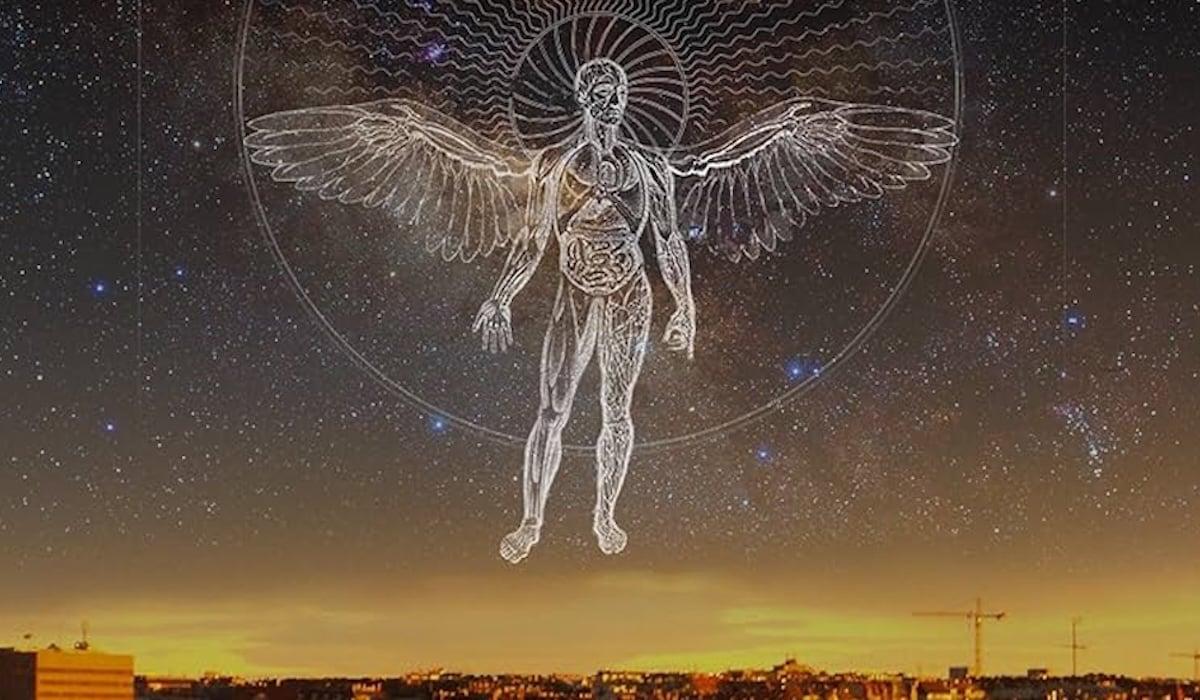
Talking of urban fantasy classics, Jonathan Carroll spent the 1980s and ‘90s toiling away on underrated urban fantasy stories that always had romances at their heart — although rarely hewing close to formula or cliche if given the option. Again somewhat dated in its treatment of certain elements (one of the three leads is a gay man with AIDS, so be warned), From the Teeth of Angels is nonetheless a fine romantasy in which the fantasy elements are no less wonderful than the supposedly mundane emotions of its core cast, and where one of the main players has a reveal midway through the book that makes it more of a fantasy than you could even imagine. Don’t make me spoil it for you.
Daughter of the Blood by Anne Bishop (1998)
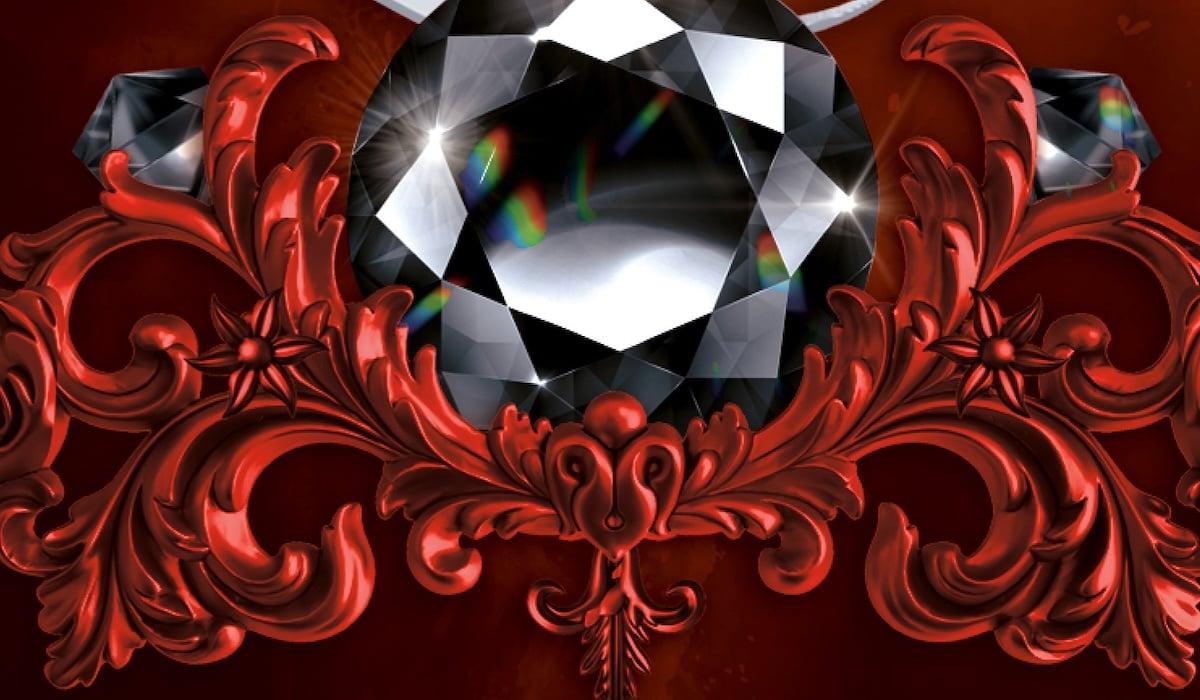
From urban fantasy back to high fantasy, with the first book in Bishop’s Black Jewels trilogy. Once again, Daughter of the Blood is a book widely regarded as a core text for the origins of the romantasy genre as it exists today, this is a book about the struggle to influence (if not outright control) Jenelle Angeline, who may or may not be a prophesied figure who will rise to great power and rule over a corrupt status quo — or destroy it entirely. It’s nowhere near subtle, with characters called things like ‘Lucivar’ and ‘Saetan,’ but if you lean into the Garth Marenghi attitude of such things, you’ll have a fun time.
(I am hedging my bets with “Almost Romantasy” after being told by multiple people more knowledgable than I that Twilight, which would certainly look like quasi-romantasy most definitely doesn’t belong in the genre, as it is considered ‘paramormal romance,’ which is an entirely different thing altogether. I sit corrected, and more than a little cowered.)
Just like yourself, the Popverse staff spends a whole lot of time with our respective noses in respective books. It's why we've come up with stuff like:
- The hottest upcoming fiction
- Queer romance to add to your reading list
- A genre fiction literary column called If It Bleeds, We Read
...and a whole lot more. Join our metaphorical library, won't you? There are no late fees and you can be as loud as you want, so long as the people you live with are OK with it.
Follow Popverse for upcoming event coverage and news
Find out how we conduct our review by reading our review policy
Let Popverse be your tour guide through the wilderness of pop culture
Sign in and let us help you find your new favorite thing.














Comments
Want to join the discussion? Please activate your account first.
Visit Reedpop ID if you need to resend the confirmation email.