If you click on a link and make a purchase we may receive a small commission. Read our editorial policy.
How the Fullmetal Alchemist anime created its own story under mangaka guidelines
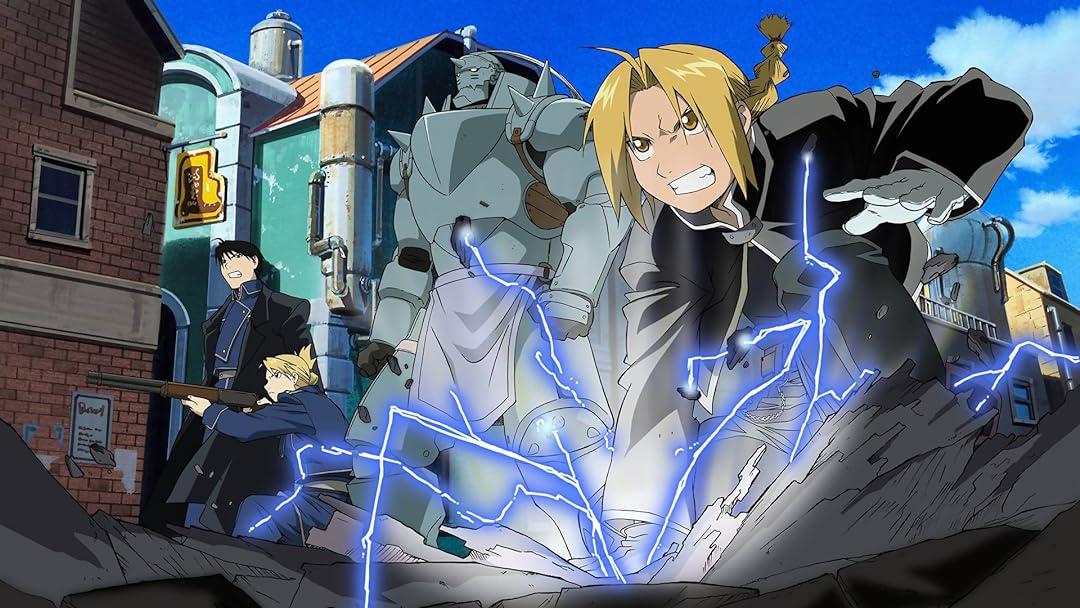
Fullmetal Alchemist went in a very different direction than the original manga by Hiromu Arakawa, but she still consulted on the story when she was asked.
Popverse's top stories
- Livestream Borderlands, Warframe, Wyldheart, Halloween: The Video Game, and more PAX East 2026 panels live
- Scarabs stampede in exclusive Apple TV Monarch: Legacy of Monsters clip
- We have the 2027 C2E2 dates, and the show is moving! (Timewise, at least)
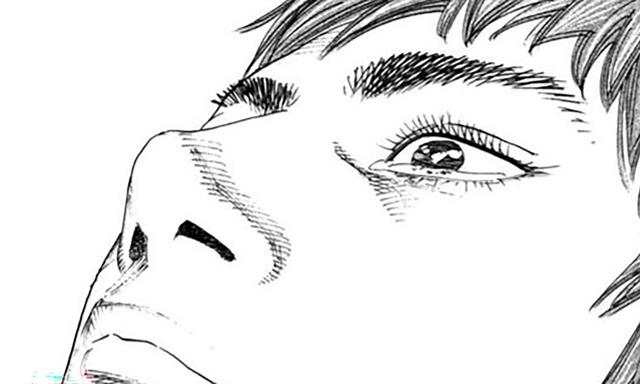
As an anime fan of a certain age, I have a huge soft spot for the original Fullmetal Alchemist anime. It has almost nothing to do with the original manga, but I didn’t mind at the time because the manga was still new and I liked the idea of the anime doing its own thing with the world. Fans love to throw around the idea that Fullmetal Alchemist creator Hiromu Arakawa was angry about the changes, but the truth is that she was consulted throughout the adaptation process and even laid out some rules that the studio couldn’t break when adapting Fullmetal Alchemist.
In a post on social media, the main scriptwriter for the 2003 Fullmetal Alchemist anime, Sho Aikawa, explained a little bit about how the writing process for the anime was always overseen by Square Enix, which published the original manga. “To add my own two cents, the original author gave us clear guidelines on what to avoid. For example, stuff like ‘no flying with alchemy,’ or ‘don’t put the main characters on a motorcycle.’ Square Enix and the manga’s editorial team were present at every scriptwriters’ meeting without exception, and on some occasions, they would even consult the original author on the spot.”
The original Fullmetal Alchemist anime started in 2003, just two years after the manga began its run in 2001. This meant that studio Bones quickly ran out of material to adapt and, rather than bloat the show with nearly endless filler, chose to tell a unique story in the world created by Arakawa. While she wasn’t directly involved in this adaptation, it is clear that she had at least some influence on anime. Enough to lay out some strict rules for the scriptwriters to follow.
Each week, Popverse's resident anime expert Trent Cannon runs down the latest and, dare we say "greatest," in anime and manga in Popverse Jump. Some recent columns have included...
- Aggretsuko vs Chainsaw Man: Two Wildly different anine with the same anti-capitalist message
- The Summer Anime season return of Kaiju No. 8, Sakamoto Days, & Dan Da Dan are forcing me to break my vow of watching less anime
- From Tomo-Chan to Oshi No Ko: How some of your favorite manga creators got their start in hentai
- Piracy is baked into anime's past, but, like Crunchyroll, we should move on from it
- Flying whales, mechs, and Miyazaki vibes: Inside Netflix's Leviathan anime with the people who made it
- How AI translations of manga continues the 'enshitification' of the medium, and why Japanese publishers are "less precious" about it
- I never wanted a Cyberpunk Edgerunners sequel, but God help me I'm going to watch it
- The Summer Hikaru Died delivers its cosmic horror at an agonizingly slow pace
- The one thing that Dan Da Dan does better than Demon Slayer ever did
- Studio Ghibli movies have never been as cozy as you think they are and that's what makes them magic
Follow Popverse for upcoming event coverage and news
Find out how we conduct our review by reading our review policy
Let Popverse be your tour guide through the wilderness of pop culture
Sign in and let us help you find your new favorite thing.

Comments
Want to join the discussion? Please activate your account first.
Visit Reedpop ID if you need to resend the confirmation email.