If you click on a link and make a purchase we may receive a small commission. Read our editorial policy.
There's one big reason Warner Bros will never put all its TV shows and movies on Max
Why aren't all of Warner Bros.'s TV shows and movies on Max, TBS, and TNT? They never have been, and there's a reason for that

Popverse's top stories
Many of David Zaslav's moves at Warner Bros Discovery have gone under major scrutiny, and one of the major ones is his (and his team's) decision not to air some of the movies and TV shows they create, in favor of selling them to other platforms - be they streamers or alternate channels to air. Because, with a streamer of its own in Max and numerous channels including TBS and TNT, why wouldn't they simply air that content themselves...?
The answer is occasionally overlooked, but obvious... and its not just Warner Bros Discovery, or David Zaslav. It's the industry as a whole.
While there was much consternation over WBD not funding a third season of Our Flag Means Death, or shopping around much-vaunted TV shows such as the upcoming Batman: Caped Crusader to Amazon Prime Video, there's actually nothing new in the approach of letting the market decide where shows end up. Sure, studios such as Warner Bros - and also Disney, Paramount, and many others - have created shows and movies but decided against airing them themselves in favor of giving it away to others. But why?
The answer is risk. Or rather, mitigating potential risk.
The risk and reward of making TV and movies
Warner Bros has been producing television for other networks as far back as 1955 with a completely-forgotten TV spinoff to the movie Casablanca. But even though Warner Bros acquired HBO in 1989 (and TBS and TNT in 1996), some of the biggest hits for the studio have aired on other networks - including CBS's Big Bang Theory to NBC's Will & Grace and The West Wing, and on to present hits like Netflix's Sandman, NBC/Netflix's Manifest, ABC's Abbott Elementary, and NBC's Night Court. Oh yeah, Warner Bros. co-owns Apple TV+'s biggest hit Ted Lasso as well.
The risk for the studio lies in if, when, and how the money needed to film these projects will ever be re-couped. While Warner Bros finances loads of TV shows and movies they do air themselves, there's some they want to do but consider it too risky to attempt to recoup the money (with streaming subscriptions, commercials, or theater tickets), and look for a third party company like NBC, ABC or Netflix to give them a guaranteed set amount of money in exchange for the rights to air the shows.
While this might seem illogical to make a show but not air it themselves, you have to remember that Warner Bros. retains ownership of the shows - they're just selling the rights to air it, and often for limited periods. (This is how Friends moved from Netflix to Max after awhile; Netflix's licensing agreement for the show ended.) They generally keep other rights such as merchandise and ancillary offers to maintain an ongoing financial interest in the property, waiting for a point in the long-term, when those airing rights do expire - and revert back to Warner Bros.
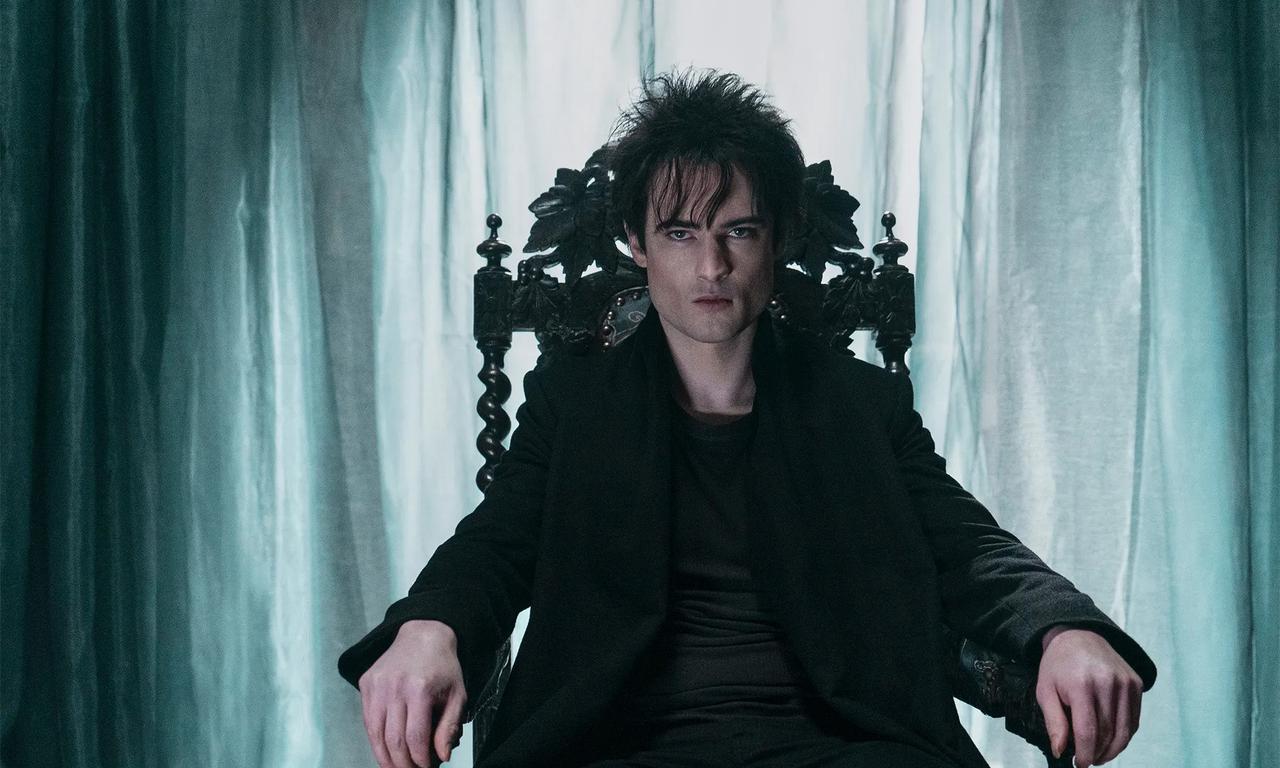
Take for example Netflix's Sandman. Warner Bros had been noodling on an adaptation of this DC comic for decades, and in 2019 they had the pitch for what you see now on Netflix. According to the Hollywood Reporter, Warner pitched it to HBO, but the network turned it down citing the huge costs (Reportedly $15 million per episode). Instead, Netflix signed on - as it had for Warner Bros' Lucifer series - in hopes it'd be a successful TV show. That plan worked out and the relationship has expanded, as you can see happening with the upcoming Dead Boy Detectives spin-off series.
So while the Warner Bros Discovery family lost out on airing Sandman on one of their own platforms, they can (and certainly are) leveraging the Sandman rights it retains for comic book reprints, merchandise, and more. Unless a side deal is worked out, the money from any Sandman merch you buy - even with imagery from the Netflix show - ends up in Warner Bros pockets, not Netflix.
And much like how Disney played the long-game with Netflix financing Daredevil and the Defenders family of shows, ultimately - unless a better offer is made, which is certainly not impossible - the shows eventually come back home.
Although anything is available for the right price, and if you're willing to take the risk.
Want to know what's coming up next in pop culture? Check out Popverse's guides to:
Follow Popverse for upcoming event coverage and news
Find out how we conduct our review by reading our review policy
Let Popverse be your tour guide through the wilderness of pop culture
Sign in and let us help you find your new favorite thing.

Comments
Want to join the discussion? Please activate your account first.
Visit Reedpop ID if you need to resend the confirmation email.