If you click on a link and make a purchase we may receive a small commission. Read our editorial policy.
What was the first San Diego Comic-Con like? "Like the Little Rascals that were having sex and taking drugs" says co-founder
San Diego Comic-Con co-founder Scott Shaw! reveals what it was like creating the epitome of comic conventions.
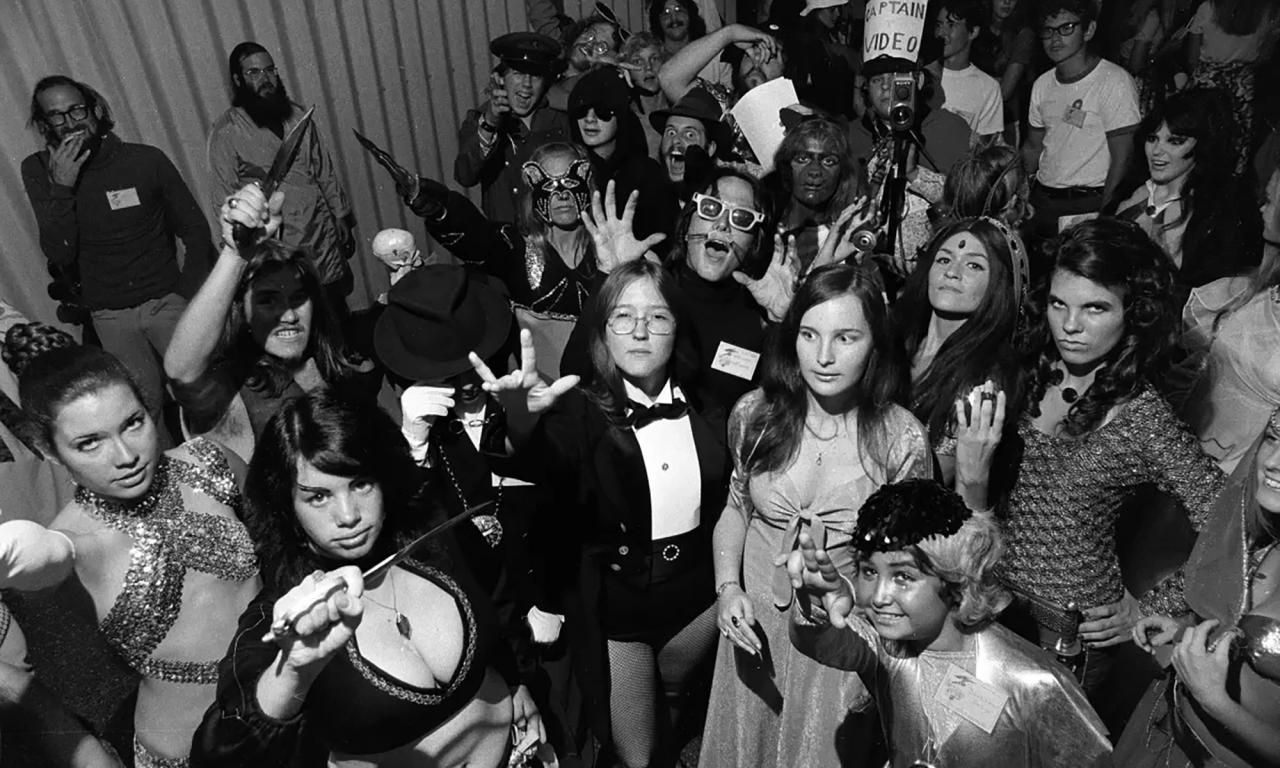
San Diego Comic-Con is the most popular comic convention the world, and has in many ways became representative of how geek culture has overtaken pop culture. While it is no longer the biggest comic con in the world (or even North America), SDCC it remains what the general public think of when they think 'comic con' - but with its place in pop culture, you might be surprised to learn how its roots like in the counter culture hippie movement of the '60s.
Cartoonist and historian Scott Shaw! is one of the founders of San Diego Comic-Con, being part of the group of city high school kids which birthed the event out of the back of a Volkswagen - himself illustrating all of the publicity art for the show's early years. When asked about the origins of San Diego Comic-Con by Popverse, Shaw! painted a picture of fandom and frivolity, and reminded us how it was conceived largely by a group of San Diego teens during the counterculture era of the '60s in America (specifically California), with all that came with it.
How did San Diego Comic-Con begin?
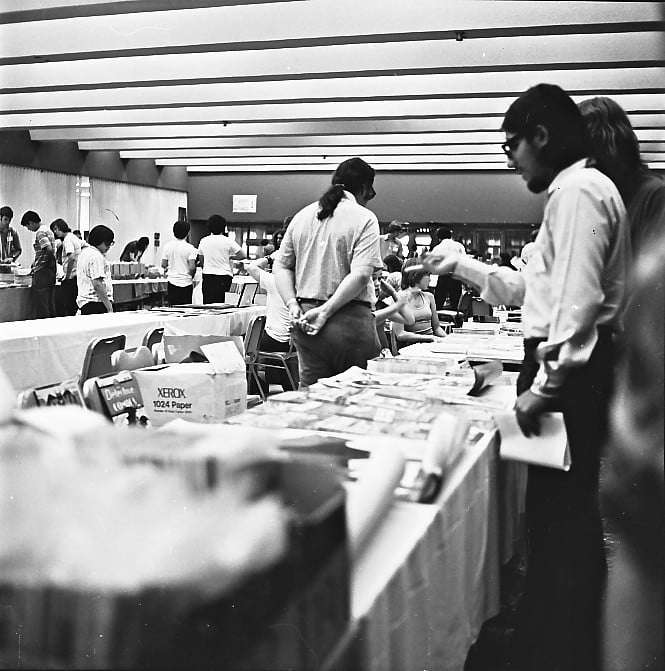
Shaw! and his group of San Diego high schoolers were triggered by the catalyst that is Shel Dorf, who came to San Diego from Detroit in the late '60s after being an early pioneer in staging comic conventions in the Northeast. He came to San Diego to care for his aging parents, but along the way he met Shaw!'s "group of friends from Crawford High," located in the El Cerrito part of the city.
"It was Shel Dorf who came out through Detroit who worked on a show there called the Detroit Triple Fan Fair, and all the kids that were coming to him were mainly collectors and comic dealers."
With his eyes opened to stories of big conventions in other cities, in 1968 Shaw! and a few of his fellow Crawford high comics fans - including future science fiction novelist Greg Bear - drove up to San Francisco in the height of the hippie era for the 28th World Science Fiction Convention (also known as Baycon).
"That was a big eye-opener for us, because it was not only the big convention - it was also the height of the hippie vibe in San Francisco at the time," says Shaw!. "We thought 'boy, this is extremely interesting.'"
With the basic idea of what would become San Diego Comic-Con in their minds, bookstore owner Ken Krueger was a "mentor" to the younger founders of San Diego Comic-Con according to Shaw!. Not for selling books per se or his own knowledge of sci-fi conventions, but his experience dealing with lawyers and the specifically the police.
"He had the savvy of how to sign contracts, and he owned bookstores. I think he owned over 14 bookstores, and in those days if you owned your own bookstores you could sell books in the books and dirty pictures in the back," says Shaw!. "So he knew how to deal with the police. He was very savvy about reality."
According to Shaw!, the juggernaut that became San Diego Comic-Con was entirely financed for the first few years by a "canny" 17-year old high school senior named Richard Alf - the only child of acclaimed painter Martha Alf. But it wasn't his family money he used - Alf had an entrepreneurial streak even in high school, amassing a small fortune (for a high schooler at least) in selling comics by mail. Using that money (and his 1954 Volkswagen Beetle), Alf was the financial lifeblood of making San Diego Comic-Con happen.
The first San Diego Comic-Con
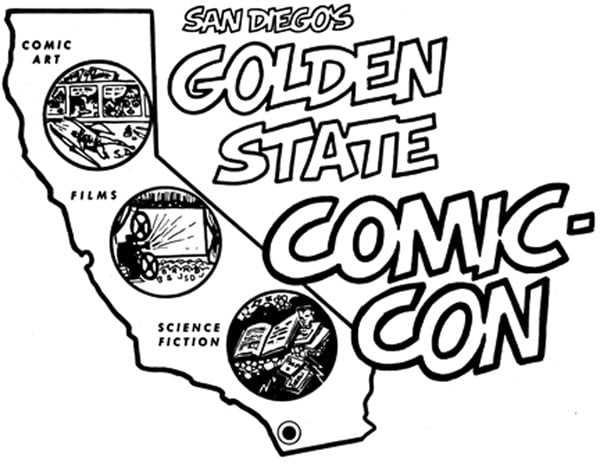
The first San Diego Comic-Con (named as the Golden State Comic-Con) was held August 1 through 3 in 1970 at San Diego's U.S. Grant Hotel as the Golden State Comic Con, with Jack Kirby, Forrest J. Ackerman, Ray Bradbury, and 300 fans, and has grown into a event hosting 130,000 annually - but what Shaw! remembers most was being able to enjoy it as a fan.
"I was there from the very beginning, and I was doing all the publicity art - including the first poster for the show. By the time the actual show came around, I had already done by job so I could have a great time meeting cartoonists that I worshipped, hanging out, and going crazy," says the artist. I think I was 20 years old for the first show, so I was doing what everybody else was doing at the time."
When asked what exactly "everybody else" was doing at the time, he referred back to the late '60s and early '70s counterculture era - specifically that in California.
"They don't like to talk about it much, but a lot of people were doing a lot of things that were not legal."
My conversation with Shaw! comes as work is underway on a documentary feature film using unearthed footage from the early days of San Diego Comic-Con, and he says when released it'll show how this massive pop culture staple was created not to be the juggernaut it became, or the giant corporation that it is - but just out of fun.
"The thing that impresses me overall is that we started out big without intending it that way," says Shaw! "When people see all this footage, they'll realize we were doing it for fun. We were doing it because it was what we loved. We had no idea this was going to become a corporation. We had no idea that there was a ton of money being swapped during the show and even to get the show going. We are concentrating on what we were doing."
When asked what it was like more specifically, Shaw! framed the early days of San Diego Comic-Con succinctly.
"We were like the Little Rascals putting on a show," says Shaw!. "Little Rascals that were having sex and taking drugs, essentially."
Get a fuller San Diego Comic-Con experience with a full rundown of our SDCC 2024 stories, as well as all the big SDCC 2024 news, how to make the most out of San Diego Comic-Con, and the real burning question: how much does it actually cost to go to SDCC?
About San Diego Comic-Con
Dates
-
Follow Popverse for upcoming event coverage and news
Find out how we conduct our review by reading our review policy
Let Popverse be your tour guide through the wilderness of pop culture
Sign in and let us help you find your new favorite thing.




Comments
Want to join the discussion? Please activate your account first.
Visit Reedpop ID if you need to resend the confirmation email.