If you click on a link and make a purchase we may receive a small commission. Read our editorial policy.
Every Final Fantasy game is different, but these are the things that always stay the same [Gamify My Life]
Whether it is a new Cid popping up or just those all-important Moogles, some things not even Square Enix wants to change about the Final Fantasy series.
Popverse's top stories
- Jonathan Frakes isn’t done with Star Trek, despite what you might have read
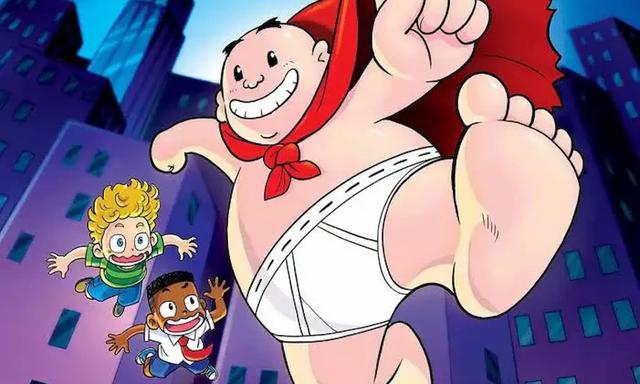
- REVIEW: Captain Underpants: The First Epic Manga blends familiar fun with a warm introduction to manga
- Livestream the Daredevil: Born Again, Jurassic Park reunion, Uncharted, Arrow and more panels from Chicago's C2E2 2026
There is no game series quite like Final Fantasy. Its place as one of the foundations of the JRPG genre is well known, but there isn’t another franchise that sets out to be so remarkably different every time it comes out. Unlike other games, which build on the story and gameplay of each other, Final Fantasy takes a blank slate to the world and starts anew. Every game looks and feels and plays differently from what came before and what will come after, but what makes a Final Fantasy game Final Fantasy?
That’s a question at the heart of the fandom, really. How far can Square Enix stray from the established Final Fantasy formula before they aren’t making Final Fantasy games anymore? Is there a line, and how far is it? It is clear that the company isn’t looking to return to the franchise’s turn-based roots. Despite the name, most titles in the series have had as many sci-fi elements as fantasy, with the balance fluctuating over time. Even the progression system has always been different, from more straightforward levelling systems to Final Fantasy X’s Sphere Grid or XII’s job system that allowed you to customize each character to fill almost any role. But there are core parts of each game that keep it from feeling like any other JRPG.
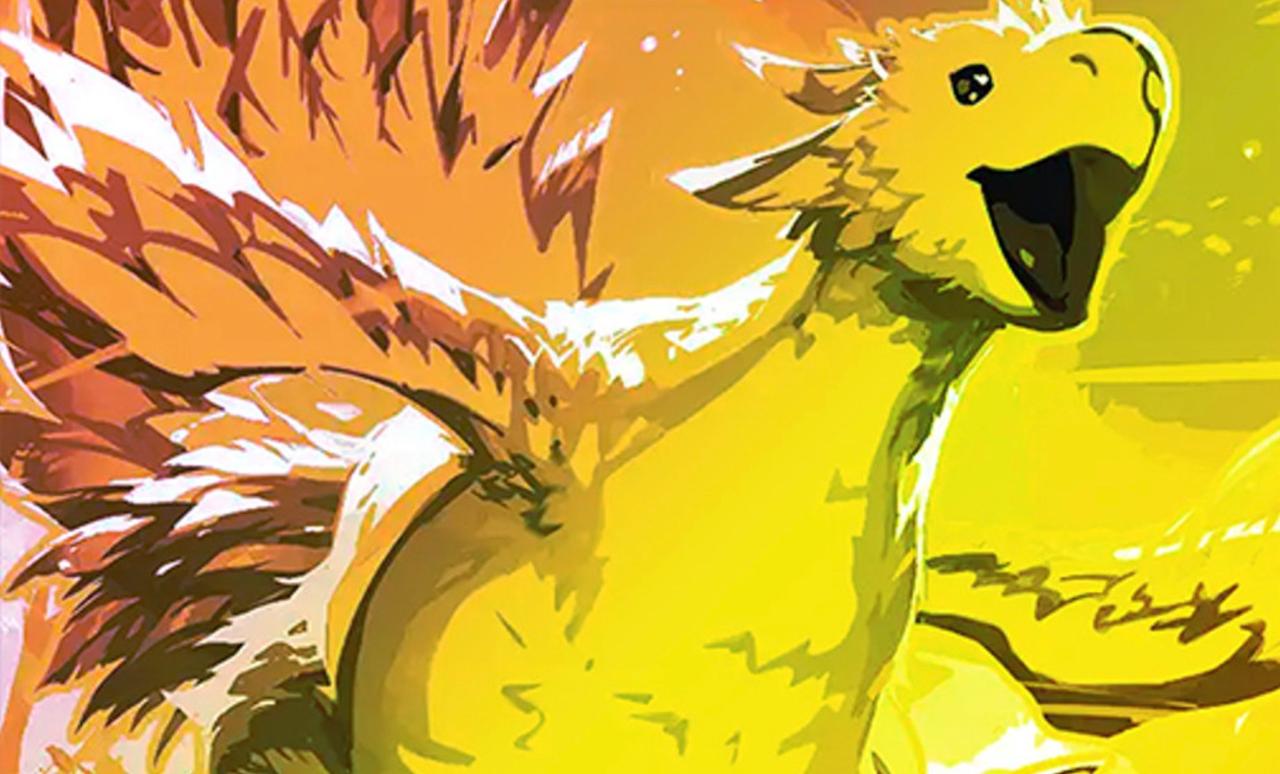
There is, of course, the imagery. The Chocobos and the Cactuars and the Moogles. All of them have been part of the series for years and will show up at least in passing references. Even in the grim darkness of Final Fantasy XVI, there was a single Moogle hanging around. They sometimes feel out of place, with their bright, cheerful design, but they’re always there. So much so that the Final Fantasy XVI devs, when suggesting that they not both with Moogles this time due to the technical and narrative difficulties, got told “I don’t care, just put them in the game!”
For many years, the score of Nobuo Uematsu was a key part of the series, but even that has changed over the years. Final Fantasy XII was the first Final Fantasy game that didn’t feature multiple tracks composed by Uematsu. Since then, he has had varying levels of involvement in the series, but it could be argued that everyone who has stepped up to take his place has at least tried to emulate his style. While Uematsu himself is becoming less of a core part of the series over time, his influence and footprint are still easy to hear. Just listen to the victory theme.
Characters often pop up in the games as well. Is it really a Final Fantasy game without Cid running around? Yes, because he wasn’t in the original Final Fantasy (though he was added to later remakes), but he has made an appearance in every mainline game since, usually in radically different forms and with different motivations. Still, he is Cid all the same. Along with Biggs, Wedge, and Gilgamesh, he is part of the glue that keeps each Final Fantasy game from veering off into something else. It is kind of like looking for the Stan Lee cameo in a pre-Avengers: Endgame Marvel movie – you know he is coming eventually.
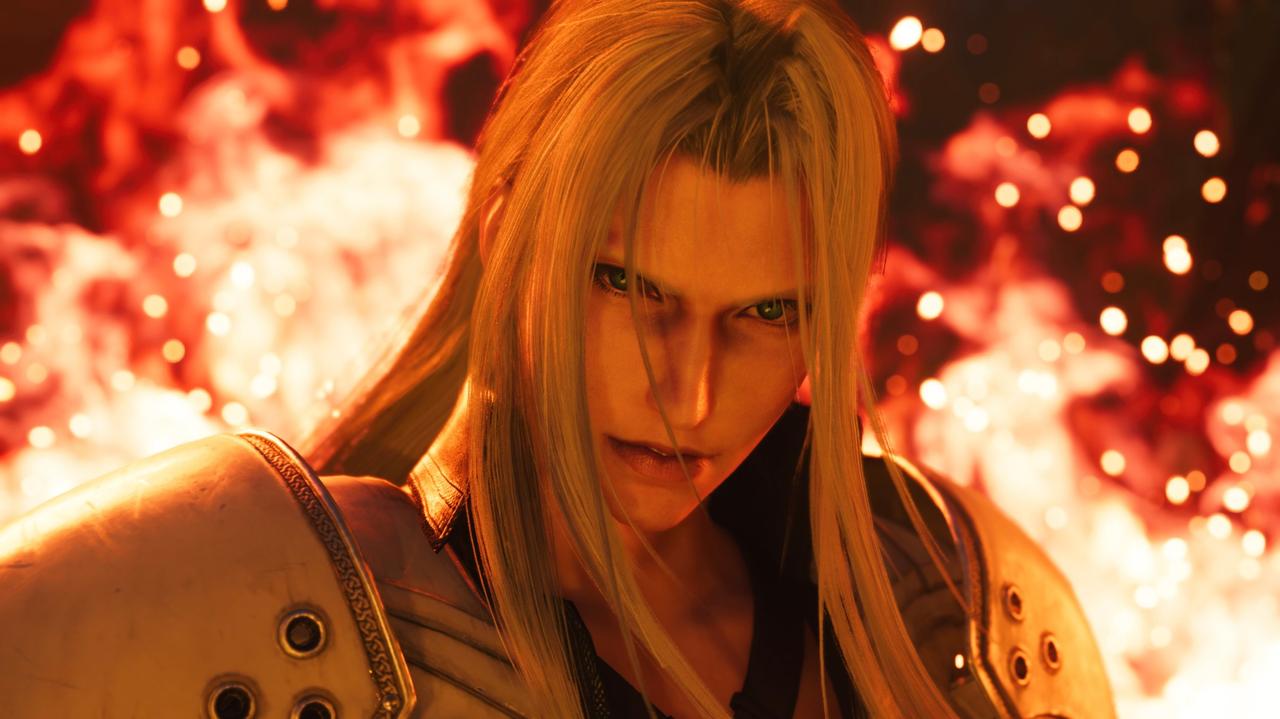
There is usually a blending of genres in the worldbuilding in every Final Fantasy game. That mix of sci-fi and fantasy is an important part of the series. Final Fantasy XIII, for all its faults, was one of the best at blending the two, with Cocoon’s advanced technology serving as a contrast to the more fantastical world of Pulse. Whether it is airships powered by magic crystals or Cloud riding a motorcycle while wielding magic at mechs that try to shoot him, that blend of magic and science is a core part of the Final Fantasy formula.
No one can accuse Square Enix of playing it safe with Final Fantasy. Change takes guts, even when they appear to be following a trend like the dark fantasy tone of Final Fantasy XVI, and every game in the series has a unique look and feel that you only get in a Final Fantasy game. JRPGs have borrowed a lot from Final Fantasy over the years, but it is the iconic enemies (and allies) that keep showing up, as well as that unique blend of science fiction and fantasy that make sure you know you’re playing a Final Fantasy game.
That epic soundtrack doesn’t hurt, of course.
The gaming industry has come a long way since Pong blew all our minds in the 70s. We've got everything you need to know about the next big thing in games. Of course, Grand Theft Auto VI is going to be the big game of 2026, but there are plenty of other games coming out between now and then. Here is our starter guide for every gamer:
- All upcoming games in 2025 and beyond
- Gamify My Life, our weekly gaming column designed
- Popverse Picks: The best Assassin's Creed protagonists
- How to play every GTA game in order
- Why the GTA 6 budget isn't as crazy as you think
-
The Magic: The Gathering x Spider-Man crossover set wouldn't exist without the Spider-Verse
And be sure to check Popverse regularly for the latest gaming news.
Follow Popverse for upcoming event coverage and news
Find out how we conduct our review by reading our review policy
Let Popverse be your tour guide through the wilderness of pop culture
Sign in and let us help you find your new favorite thing.


Comments
Want to join the discussion? Please activate your account first.
Visit Reedpop ID if you need to resend the confirmation email.