If you click on a link and make a purchase we may receive a small commission. Read our editorial policy.
Before Milly Alcock’s DC Studios movie, Supergirl spent almost 20 years on DC’s blacklist - across comics, animation, and TV
DC banned the OG Supergirl for nearly 20 years — here’s why.

Popverse's top stories
Daniel Warren Johnson turned down DC's Absolute Batman for Transformers, and somehow everyone won
Oh yeah, Critical Role's Sam Riegel has considered playing a Kobold... and making an all-Kobold game
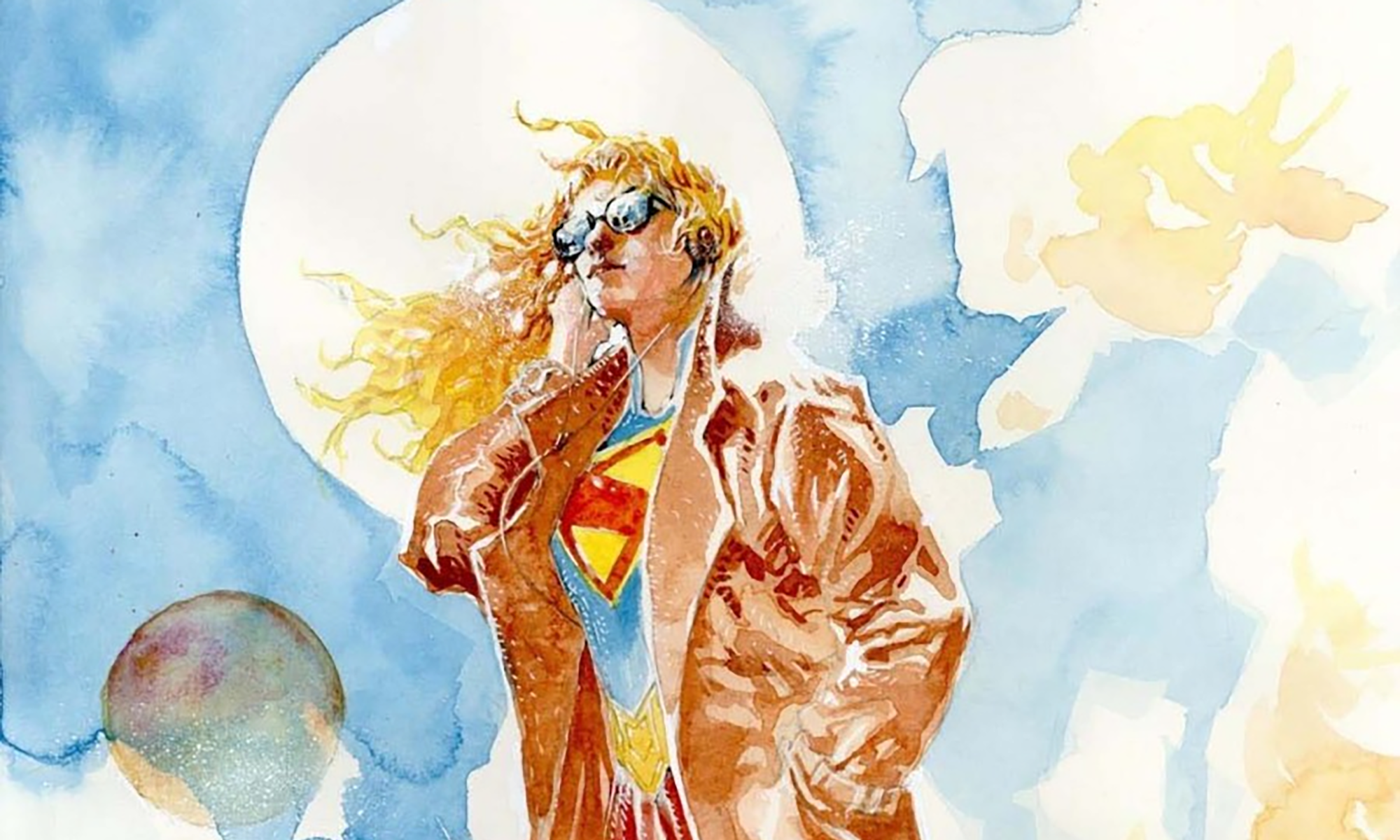
After her memorable late-game cameo in James Gunn’s Superman movie, Milly Alcock’s Supergirl is getting her very own solo outing in 2026. The next installment in the relaunched cinematic DC Universe, it’s one of the most anticipated movies of the year — which is funny, considering that, not so long ago, a flick starring Superman’s cousin Kara Zor-El wouldn’t have been possible. And not because of visual effects limitations, budgetary constraints, or any of the other mundane roadblocks you’re probably thinking of, but because DC banned anyone (inside and outside the comics industry) from using the OG Supergirl for nearly 20 years.
It’s unthinkable, right? But it’s also true; an editorial edict really did sideline one of the most recognizable superheroes of all time from the mid-'80s to the early '00s. So, read on to find out why DC placed Supergirl off limits, how this impacted Superman comics and related media for close to two decades, and why the publisher ultimately welcomed the Girl of Steel back into the fold.
Supergirl History 101
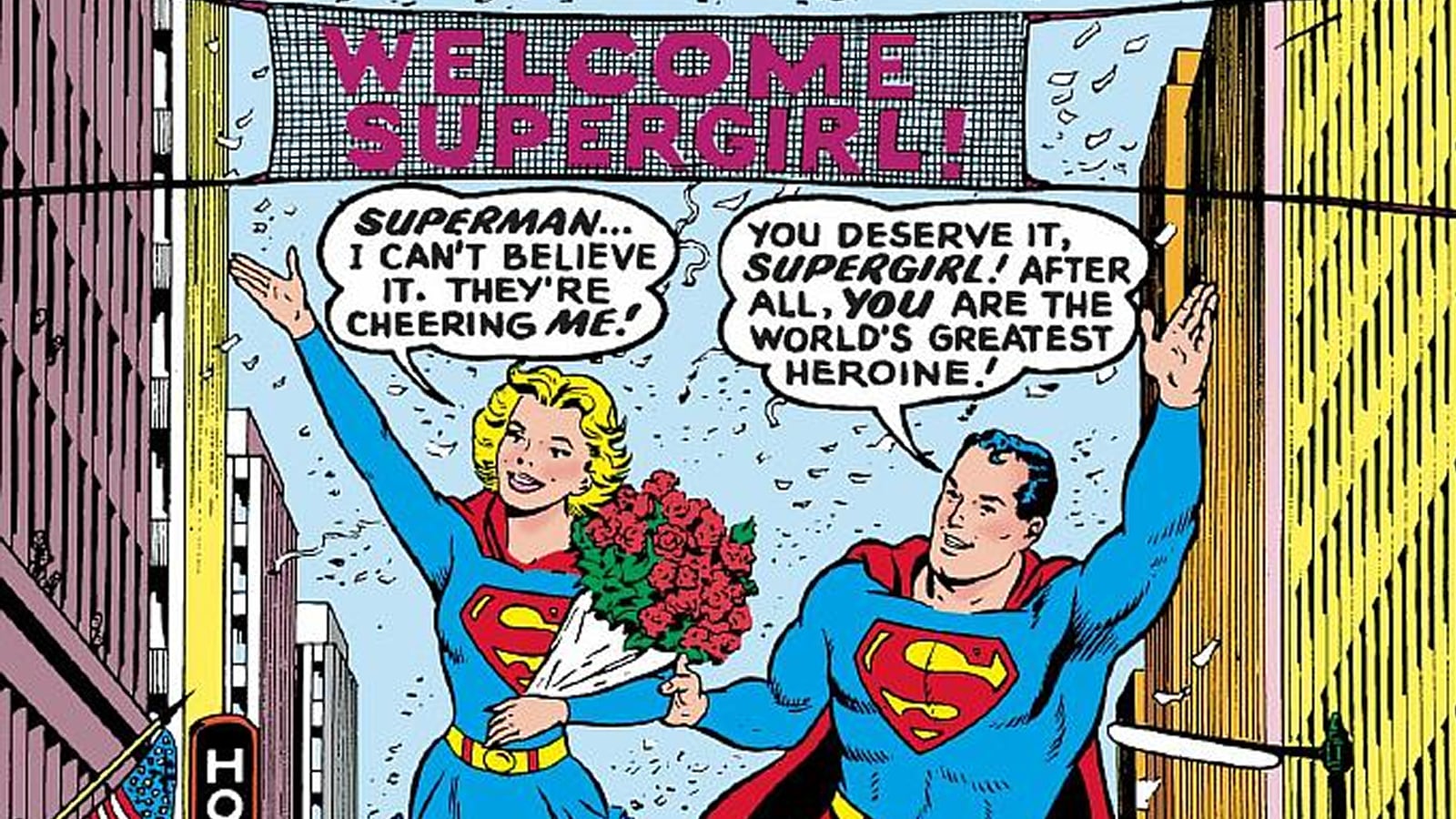
Technically, she was actually Superman’s fourth female counterpart (and the second to use the ‘Supergirl’ name); in the years leading up to her introduction, DC gauged readers’ interest in the concept via dream scenarios and magic-related shenanigans. But these were more prototypes than fully-fledged additions to Superman lore, and for all intents and purposes, Otto Binder and Al Plastino’s Supergirl was the ‘true’ original incarnation of the character — and, to this day, the best known, as well.
Part of Kara’s popularity is probably down to the simplicity of her origin, which is essentially just Superman’s origin with a twist. Like her cousin, Kara Zor-El was born on the doomed planet Krypton and rocketed to Earth. Unlike him, Kara arrived as a teenager; before that, she grew up in a domed city hurled into space when the rest of Krypton blew up. Kara’s home eventually became uninhabitable (it was essentially a gigantic chunk of Kryptonite), so her parents bundled her off to our little blue marble. She and Superman linked up straight away, he took her under his wing, and — after a lengthy stint operating under the radar — Kara finally went public as Supergirl in 1962, quickly establishing herself as one of Earth’s premier costumed crime-fighters.
In the decades that followed, Kara graduated high school and college, and in her civilian identity of Linda Lee Danvers, held down a bunch of different jobs, primarily in the TV industry (even scoring an acting gig on a soap). She had the odd romance, too — with emphasis on the word ‘odd’; her most infamous fling was with a guy who was also a horse (because ‘comics’). There were also some questionable wardrobe choices along the way, including supersuits accessorized with chokers and headbands.
And speaking of questionable, 1984 saw Kara leap onto the silver screen in a single bound… and fall flat on her face. An offshoot of the Christopher Reeve-headlined Superman franchise, Supergirl’s first foray into the live-action arena starred Helen Slater as Kara, pitting her against would-be witch Selena (portrayed by a scenery-chewing Faye Dunaway). It was a lackluster affair that failed to recoup its $35 million budget at the box office.
DC would move to force Kara Zor-El out of the picture a year later. An embarrassing Hollywood flop wasn’t the reason why, though.
Why did DC ban Supergirl?
When you boil it right down, the Kara Zor-El Supergirl was a casualty of wider housekeeping on DC’s part.
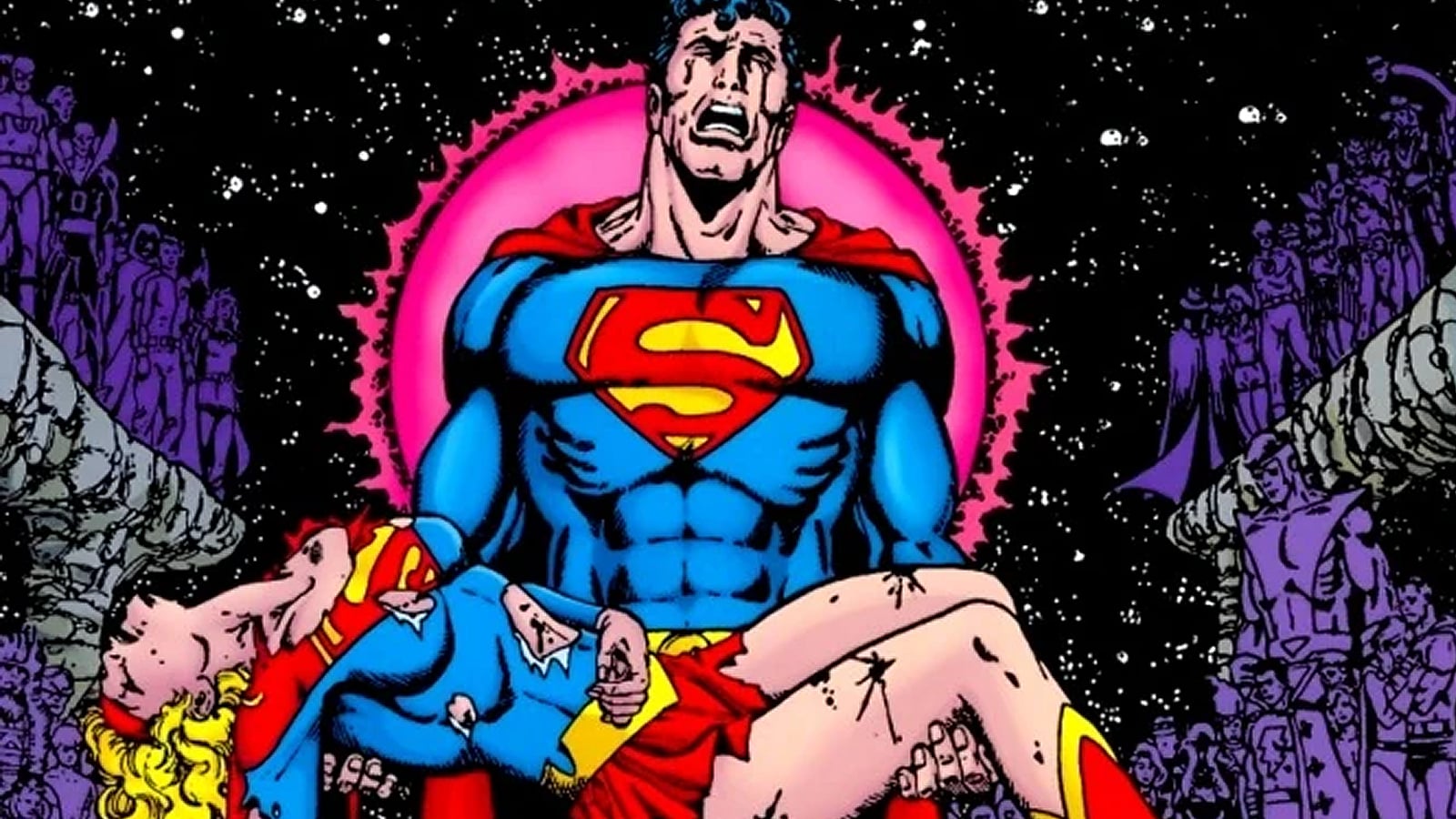
In 1985, the publisher launched Crisis on Infinite Earths, a 12-part limited series by Marv Wolfman and George Pérez designed to make DC’s convoluted, 50(ish)-year continuity accessible to newcomers by merging its sprawling multiverse into a single universe. This would also allow creators to revamp — and hopefully, reinvigorate — DC’s iconic heroes and villains. Top of the list was Superman, with DC editorial wanting (among other things) to reinstate the Man of Steel’s status as Krypton’s sole survivor. This meant that (as Wolfman explains in his introduction to the Crisis on Infinite Earths collected edition) Supergirl had to go.
(It didn't help that the 1984 Supergirl movie was hoped to save the Superman movie franchise, and couldn't even break a profit itself.)
Thus, midway through Crisis on Infinite Earths, Kara Zor-El died saving her cousin’s life — and a new editorial edict was born. In the new, post-Crisis DC Universe, not only would Kara never return (as dead superheroes are wont to do), but said return would be impossible. Because in the newly minted reality that sprung up after Kara’s demise, she never existed in the first place!
Of course, being erased from existence wouldn’t necessarily have prevented a Kara comeback; the fantastical nature of the superhero genre affords plenty of in-universe leeway for even the most unlikely of resurrections. There was, however, a significant real-world blocker: the Superman office. As creator Jerry Ordway recalled in a 2023 interview, the writers and artists overseeing the Superman line were fully on-board with the new, Kara-free status quo and with group editor Mike Carlin backing them up, they did their best to ensure nobody else at DC broke rank.
Did anyone break DC’s Supergirl ban?
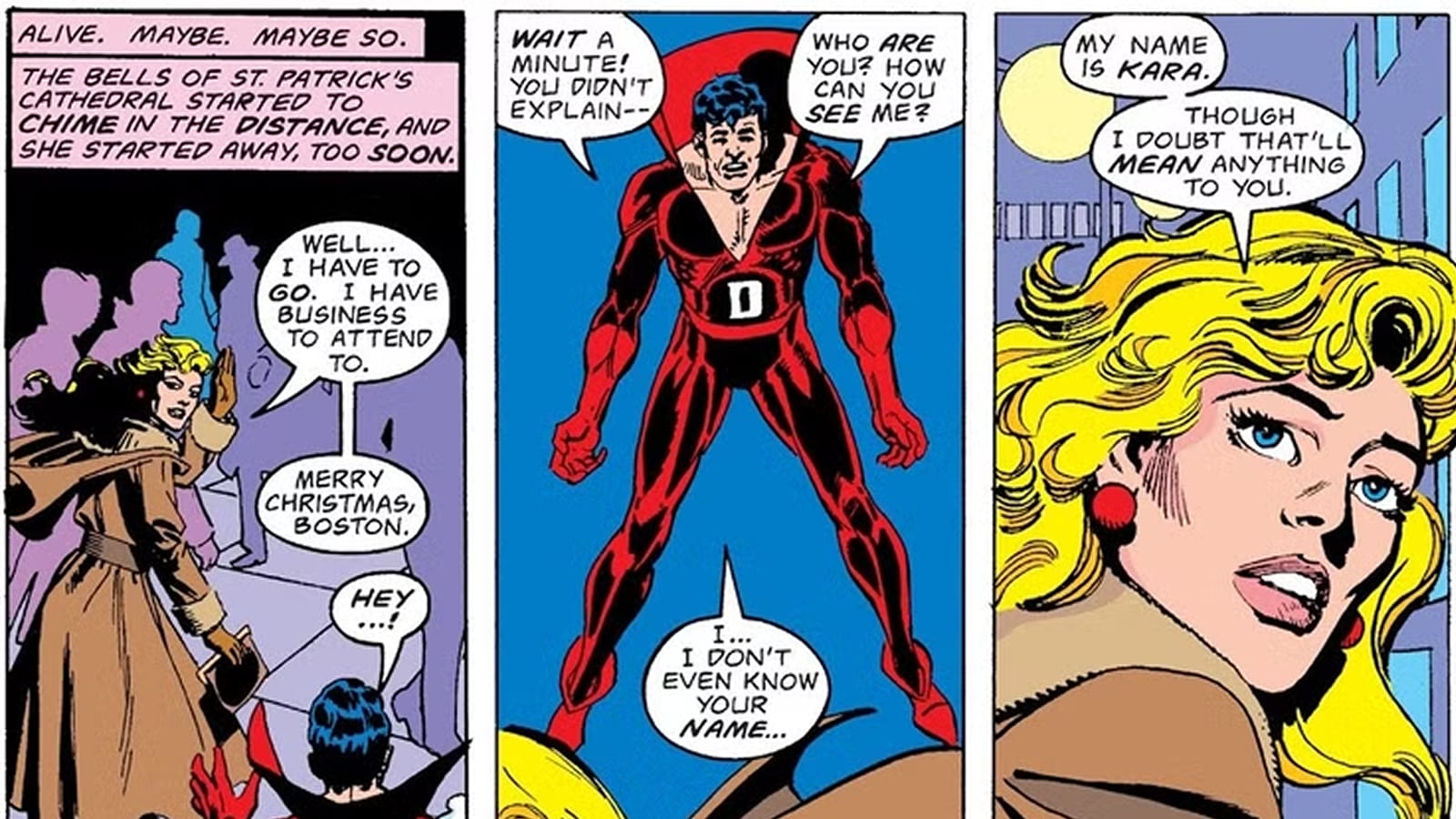
For the most part, the Superman office got their way; between 1986 and 1999, the Kara Zor-El version of Supergirl appeared in just one story — 1989 festive anthology Christmas with the Super-Heroes #2 — and Team Superman was not happy about it. They lobbied hard to have Kara written out of Alan Brennert's Deadman story and although they ultimately failed (DC's then-executive editor Dick Giordano basically told them “Chill out, it’s Christmas!” and then drew the story himself) the vibe around DC was apparently so frosty that nobody dared pull a similar stunt again. Heck, things were so bad that Christmas with the Super-Heroes #2 editor Mark Waid once joked he had to censor the word ‘Supergirl’ in another comic’s letters page for fear of incurring the wrath of the powers that be.
And like I alluded to at the top, it wasn’t just comic book creators that grappled with DC’s Supergirl ban, either. When Superman: The Animated Series co-creator Bruce Timm and writer Paul Dini wanted to feature Kara Zor-El in the show’s second season, DC shot them down. It didn’t matter that Superman: The Animated Series was set in its own continuity separate from the comics; company policy was that, no matter where Superman appeared, he would be depicted as the last of his kind. There could be a Supergirl alongside him — so long as she wasn’t his cousin, and wasn’t from Krypton.
That’s how we ended up with a handful of alternate Girls of Steel in the '80s and '90s. The most prominent of these was Matrix, a shapeshifter from another dimension cooked up in a lab whose predominant form was (you guessed it) a dead ringer for the classic Supergirl. Matrix would later merge with dying human teenager Linda Danvers to become a second iteration of Supergirl, this time with angelic powers. Further down the line, Matrix and Linda split apart again, leaving the latter as Supergirl; it was all very convoluted. Relatively more straight forward was Cir-El: a mysterious brunette hellraiser claiming to be the daughter of Superman and Lois Lane from the future. This Supergirl was eventually outed as a genetically modified human caught up in a scheme to destroy her ‘dad’, and rarely seen again.
Meanwhile over in TV land, Bruce Timm and Paul Dini devised their own workaround to the Kara Zor-El embargo. Rather than use either of the Matrix-related Supergirls, the pair instead came up with “Kara In-Ze”: the only living refugee from Krypton’s equally ill-fated sister planet, Argos. She wasn’t Kryptonian (despite having all the same powers) and she wasn’t related to Superman, but other than that? This was Kara Zor-El in all but name.
It was a clever move. Yet if Timm and Dini had been able to wait just six more years, DC would’ve let them use the genuine article.
When (and why) did DC lift its Supergirl ban?
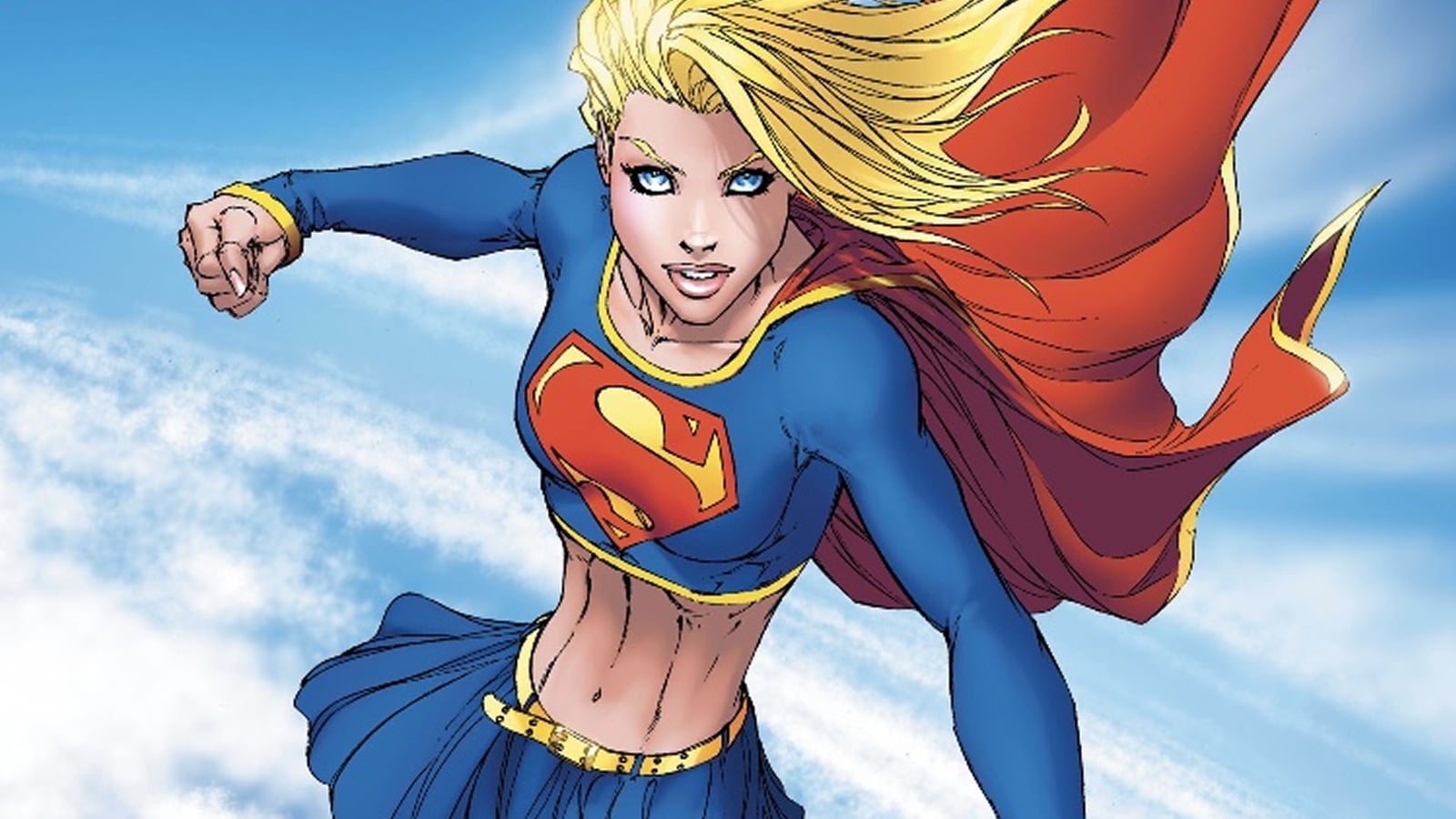
As the year 2000 rolled around, DC’s editorial policy regarding Kara Zor-El started to soften. Notably, when sales on the Supergirl solo title hit perilously low levels, writer Peter David received the all clear to bring Kara back — albeit with a couple of caveats. First, Kara didn’t replace Linda as DC’s current Supergirl; she was a supporting character plucked temporarily from a point in the legacy DC timeline before her death. Second, the storyline wrapped up with confirmation that not only was the pre-Crisis Kara’s fate irreversible, but she’s incapable of existing in the post-Crisis universe long-term without it collapsing!
Even so, Kara Zor-El showing up in an in-continuity comic was part of a general shift back towards pre-Crisis Superman canon in the early to mid-2000s. New writers, artists, and editors were now shepherding the character and they were eager to restore many of the characters and concepts they grew up with. This dovetailed neatly with then-DC executive editor Dan DiDio’s desire for a back-to-basics take on Supergirl that would be less confusing for casual readers. After all, ‘Superman’s cousin from Krypton’ is much easier for newbies to run with than ‘pocket dimension protoplasmic blob/human hybrid angel, but now also not that’.
And so, DC lifted its ban on the Kara Zor-El Supergirl, and writer Jeph Loeb and artist Michael Turner reintroduced a current canon-compliant version of the character in 2004’s Superman/Batman #8. Once that happened, the flood gates were open. Kara was everywhere, fronting her own comic book series and making appearances in dozens of others. She was also back on the big and small screens faster than a speeding bullet.
On TV, Laura Vandervoort and Melissa Benoist played live-action incarnations of Kara in the Smallville and Arrowverse franchises, respectively. A bunch of animated projects have featured Kara in some capacity, too. On film, Sasha Calle suited up as the DC Extended Universe’s Kara Zor-El in 2023’s The Flash, before DC Studios hit the reset button on the DCEU and drafted in Milly Alcock to replace her, starting with her cameo in 2025’s Superman reboot.
That’s a lot of activity for someone who languished in limbo for almost 20 years — and it just goes to show: ban or not, you can’t keep a good (super)girl down for long.
Whether you're looking for truth or justice ahead of DC Studios' Supergirl movie, we have everything you need to know. Here are:
- Supergirl ending explained: Who dies, what happens to Krem, and more from the comic the Milly Alcock movie is based on
- Our Supergirl movie guide
- Why DC Comics blacklisted the original Supergirl for 20 years, in comics, TV, and more
- Everything you need to know about Jason Momoa's Lobo
- How to watch all of Supergirl's movies, TV series, and cartoons
Follow Popverse for upcoming event coverage and news
Find out how we conduct our review by reading our review policy
Let Popverse be your tour guide through the wilderness of pop culture
Sign in and let us help you find your new favorite thing.











Comments
Want to join the discussion? Please activate your account first.
Visit Reedpop ID if you need to resend the confirmation email.