If you click on a link and make a purchase we may receive a small commission. Read our editorial policy.
The 10 best Jim Lee comics, from Batman: Hush to his legendary X-Men run
From X-Men to Batman: Hush, these are the 10 comics that made Jim Lee an icon.
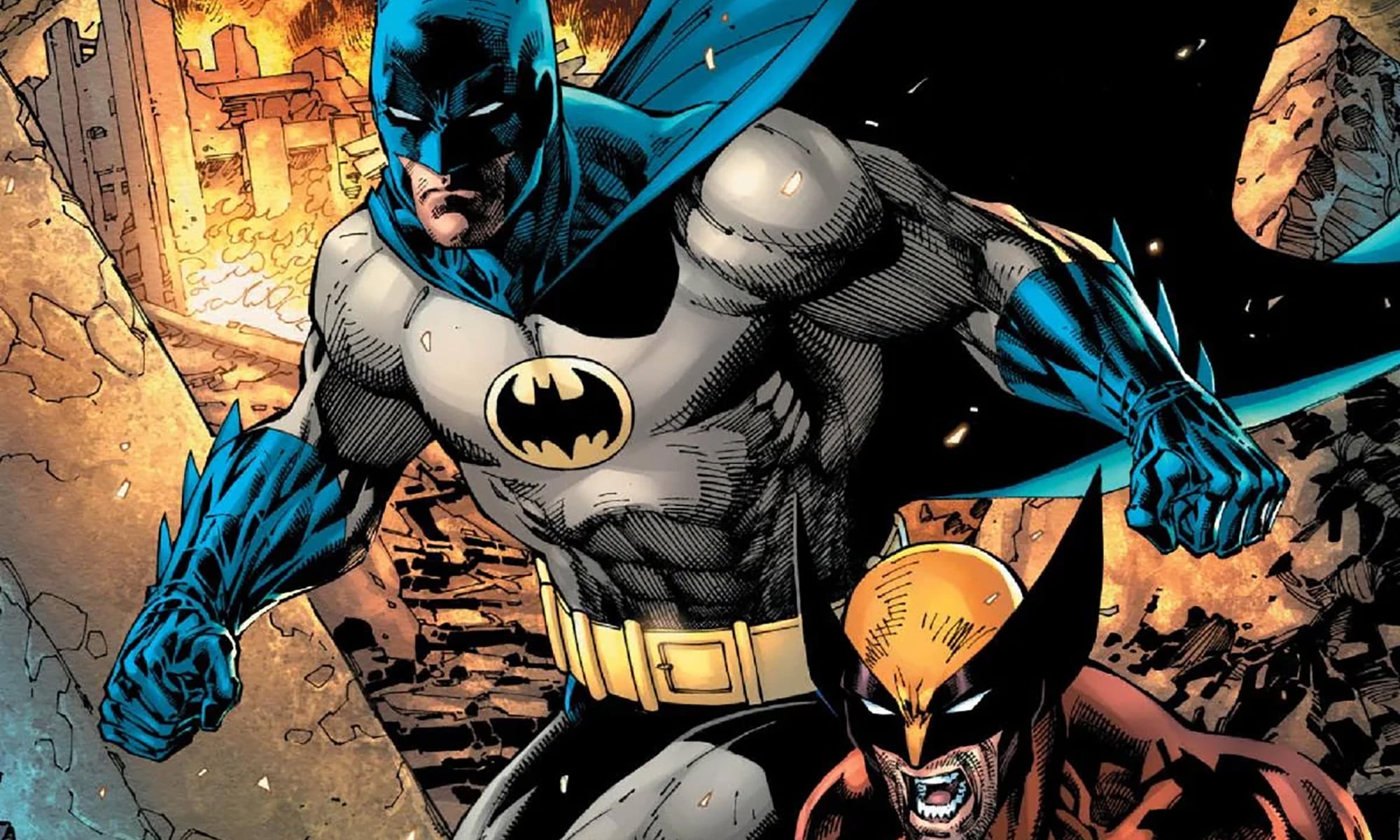

If you close your eyes and picture the X-Men, Batman, or the Justice League, there’s a very good chance you’re imagining something Jim Lee drew.
For more than 35 years, Lee has been one of the defining artists of superhero comics, transforming Marvel’s X-Men into a record-breaking phenomenon before co-founding Image Comics and creating WildC.A.T.s. He later moved to DC, where books like Batman: Hush, Superman: For Tomorrow, and Justice League helped shape how a new generation saw the publisher’s biggest heroes. Lee’s influence is everywhere: in superhero costumes, blockbuster action sequences, splash pages crammed with meticulous detail, and the belief that a single artist can make a comic feel like the biggest cultural event of the year.
But the best Jim Lee comics aren’t necessarily the ones that sold the most copies, introduced the most collectible covers, or produced the longest lines at the convention signing table. This ranking focuses on the comics themselves: Lee’s visual storytelling, his chemistry with each writer, inker, and colorist, the ambition of the work, and the mark it left on superhero comics. From Uncanny X-Men and Divine Right to Batman and the Justice League, these are the essential Jim Lee stories, and the comics that explain why his version of superheroes became the version so many of us carry around in our heads.
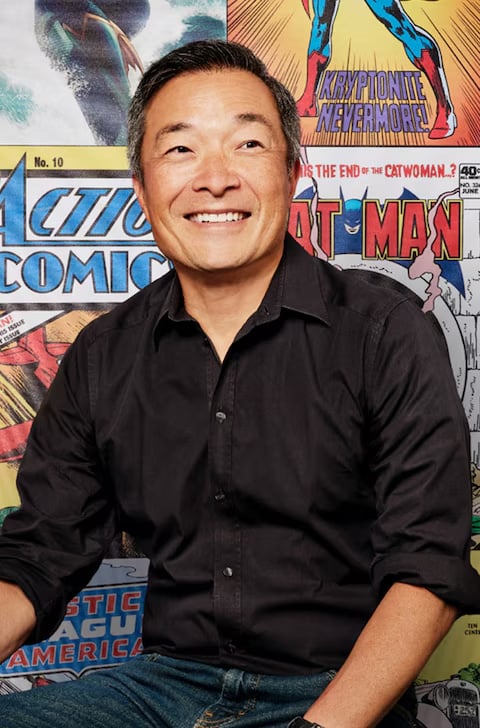
Jim Lee at a glance
Breaking into American comics in the late ’80s, Jim Lee went on to redefine how superheroes looked with landmark work on Uncanny X-Men, X-Men, WildC.A.T.s., Batman, and Justice League. His Marvel work made him one of the industry’s biggest artists, with 1991’s X-Men #1 becoming one of the bestselling American comic books of the 90s, but that success also helped convince Lee and six other superstar creators to leave Marvel and establish Image Comics in 1992. There, Lee created WildStorm and pursued the creative ownership and independence that Marvel and DC traditionally hadn’t offered. He eventually sold WildStorm to DC, however, beginning a remarkable transformation from superstar artist and independent publisher into one of the chief architects of DC itself. With all that creativity and all that success, Lee didn’t simply draw some of the most popular superhero comics ever made; he helped reshape the business around them, and then wound up running one of its biggest companies.
The 10 best Jim Lee Comics
10. WildCats #1 (2006)
Writer: Grant Morrison
Artists: Jim Lee, Scott Williams, Alex Sinclair, Comicraft
Publisher: DC Comics / Wildstorm
Genre: Superhero
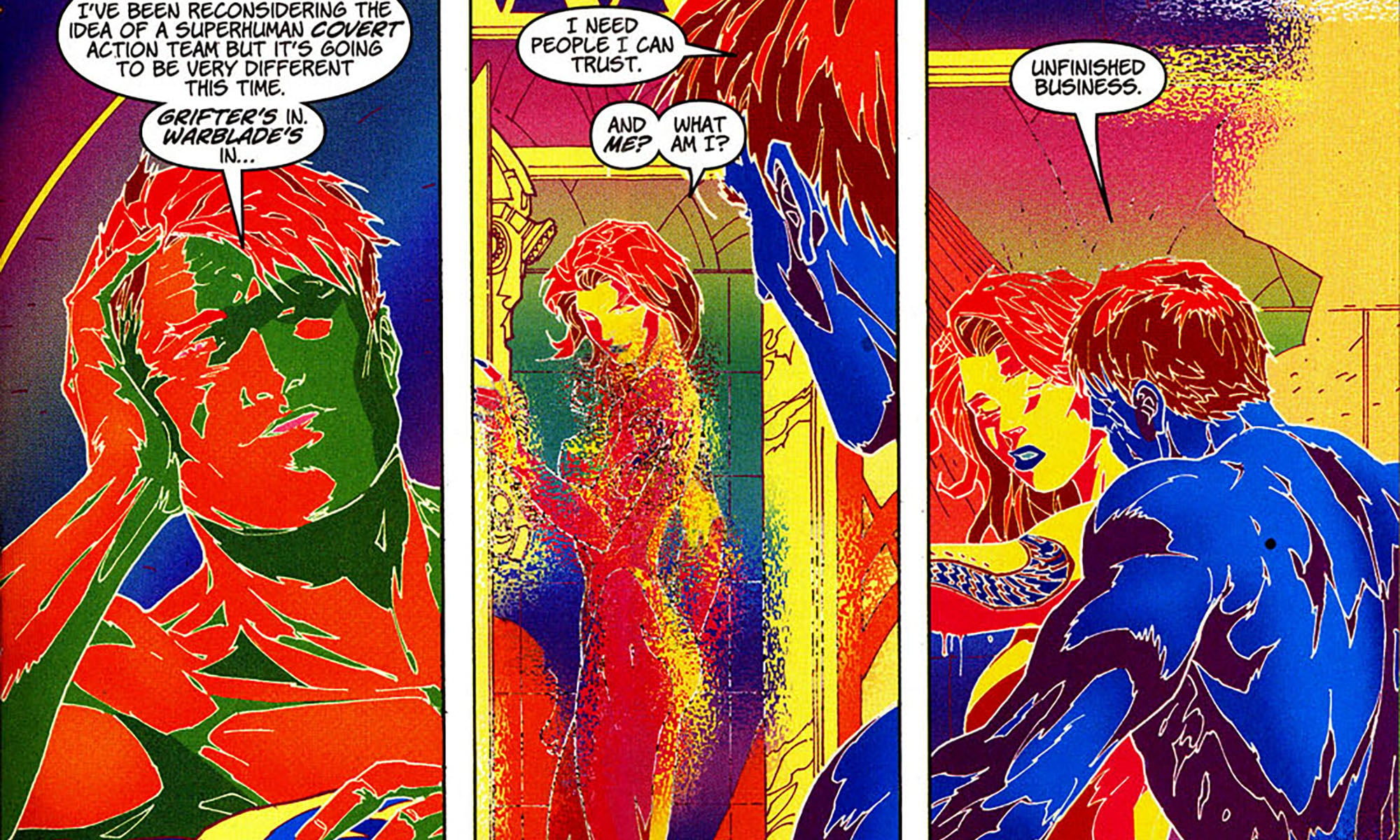
Why it's one of Jim Lee's best comics: Grant Morrison and Jim Lee’s Wildcats #1 is one of comics’ great false starts: a 2006 relaunch that behaves less like an introduction than like the opening credits to an impossibly expensive superhero series whose remaining episodes were never made. Morrison takes the corporate futurism of Joe Casey’s Wildcats 3.0 and floods it with their own pop-occult maximalism — radioactive terrorists, underwater cities, alien conspiracies, and Grifter being Grifter — while Lee returns to his signature creations with artwork sleeker and more controlled than the kinetic excess of his original ’90s run. The issue asks what 'adult superheroes' might actually look like, suggesting covert intervention, global systems, and carefully managed symbolism rather than another round of brightly colored punching.
Then it ends.
The planned six-issue run never advanced beyond this debut, although Morrison’s script for #2 was eventually published, leaving Wildcats #1 as both a fascinating comic and an exquisite piece of speculative archaeology: the polished doorway into a reinvention of the WildStorm universe that readers never got to walk through.
9. 'Medal of Honor' from Our Fighting Forces Giant #1 (2020)
Writer: Brad Meltzer, Sal Giunta
Artists: Jim Lee, Scott Williams, Alex Sinclair, Chris Eliopoulos
Publisher: DC Comics
Genre: Superhero
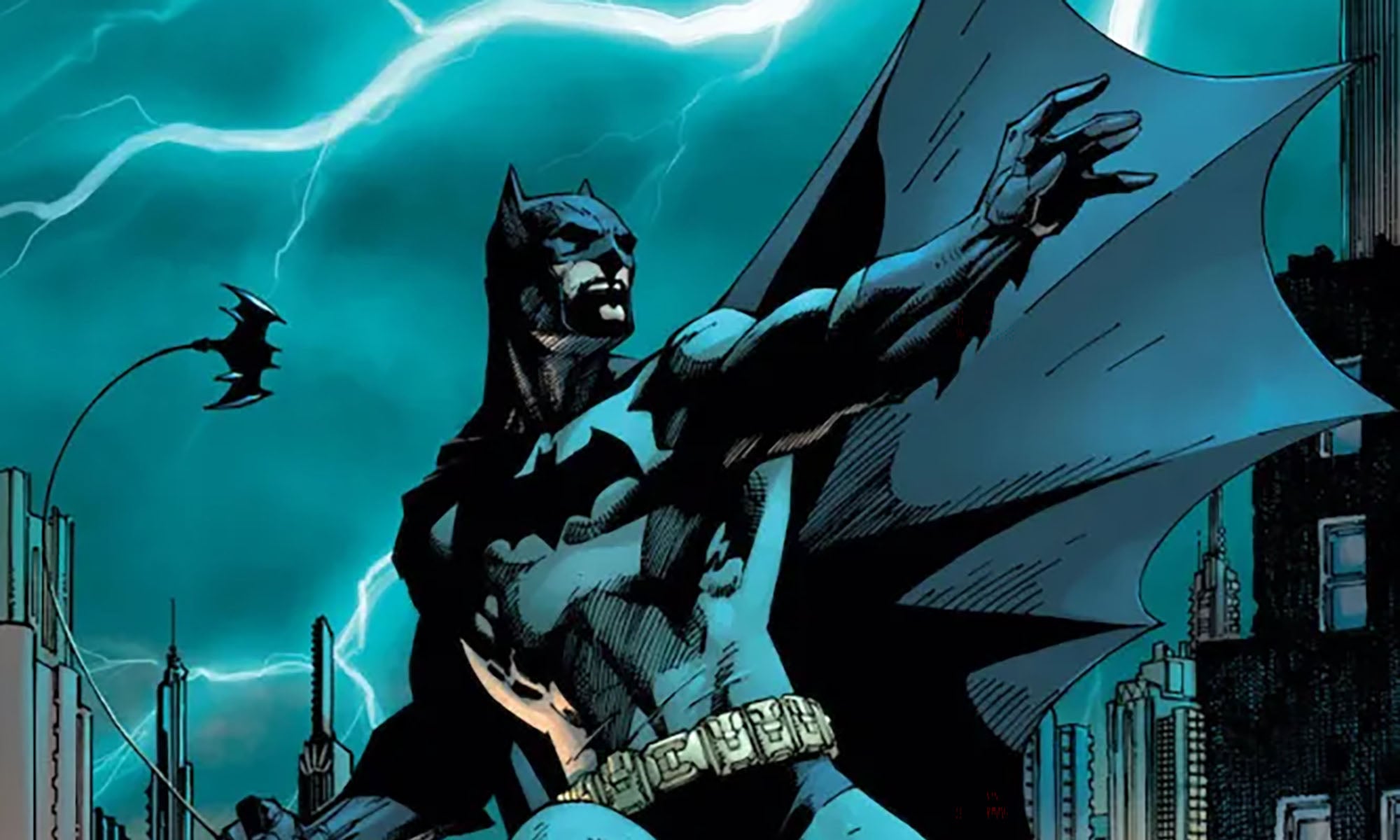
Why it's one of Jim Lee's best comics: This 8-page short begins by encouraging us to see Batman: a solitary figure advancing into overwhelming danger because someone else needs saving. Then the iconography falls away, revealing that this isn’t Gotham and its hero isn’t fictional, but U.S. Army Specialist Salvatore 'Sal' Giunta, whose actions in Afghanistan made him the first living service member since the Vietnam War to receive the Medal of Honor. It’s an obvious piece of narrative misdirection, but an effective one, using our fluency in superhero mythology to expose how limited that mythology can be. Lee’s art, so often devoted to bodies that appear invulnerable, instead emphasizes confusion, vulnerability, and the terrifying human cost of moving toward danger when no cape, armor, or convenient superpower can protect you. The result is less a story equating a soldier with Batman than one quietly reversing the comparison: reminding us that fictional heroism is comforting precisely because the real thing is so much more frightening.
8. Uncanny X-Men #270 - #272 (1990)
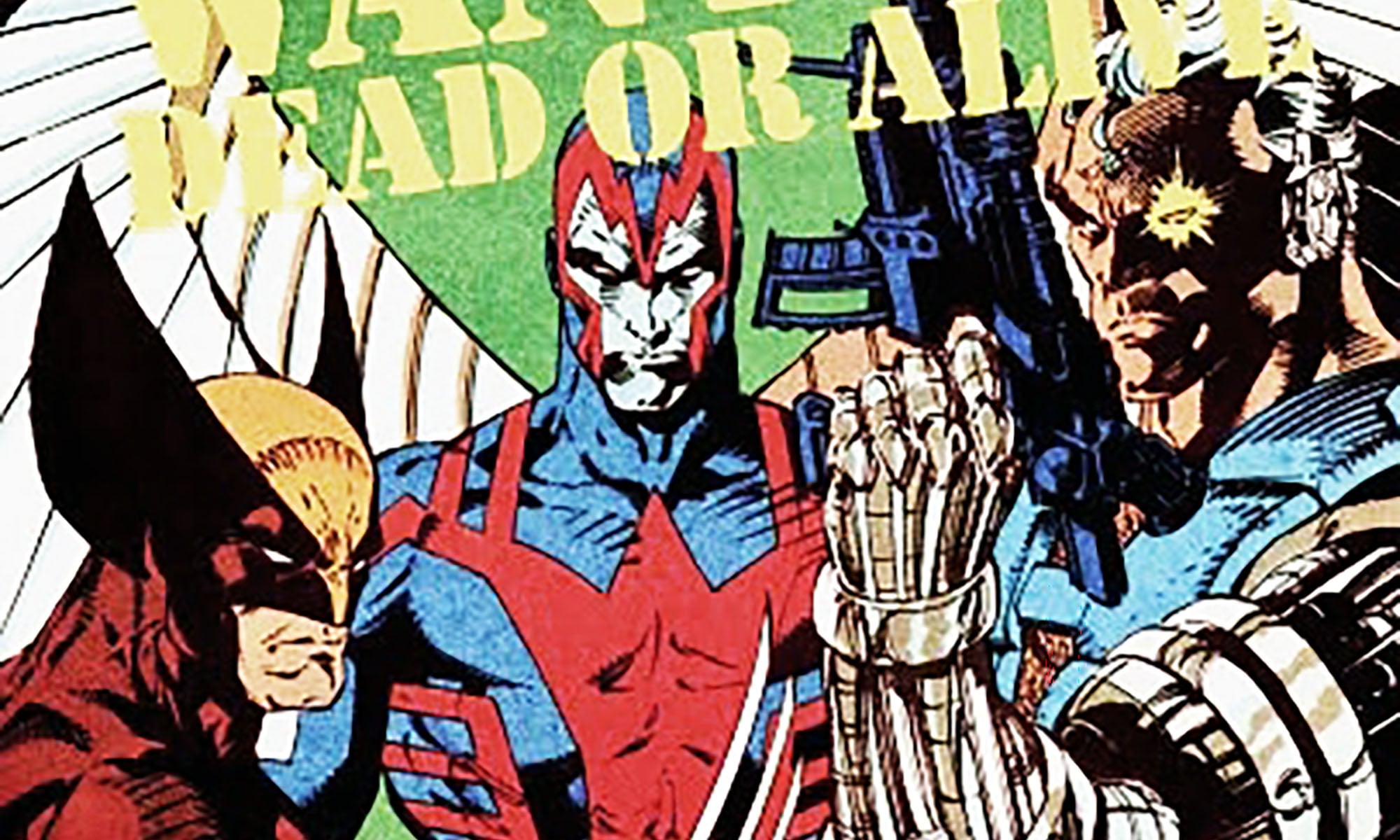
Writer: Chris Claremont
Artists: Jim Lee, Scott Williams, Art Thibert, Joe Rosas, Glynis Oliver, Tom Orzechowski, Kevin Cunningham
Publisher: Marvel Comics
Genre: Superhero
Why it's one of Jim Lee's best comics: The fascinating thing about Uncanny X-Men #270-272 is that Jim Lee only draws three chapters of the nine-part 'X-Tinction Agenda,' yet his work provides the visual identity most readers associate with the entire crossover. That’s partly because Lee was becoming Jim Lee in real time, transforming Claremont’s sprawling cast and knotty continuity into clean, immediate superhero storytelling without sacrificing its scale. Genosha is a nightmare of mutant exploitation, Cameron Hodge is a genuinely upsetting marriage of man and machine, and the scattered X-Men, New Mutants, and X-Factor characters finally begin to feel like parts of the same enormous story. But Lee’s greatest contribution may be his ability to make every payoff land: Cyclops taking command, Wolverine battling Archangel, Psylocke embracing her new action-hero identity, and the assembled mutants fighting their way out of captivity. Claremont gives Lee a succession of character moments disguised as blockbuster set pieces, and Lee understands that the poses and costumes only matter if they tell us who these people are. The larger crossover is inconsistent, but these three issues aren’t. They’re the point where Lee’s X-Men work stops looking like the arrival of a talented new artist and starts feeling like the beginning of an era.
7. Deathblow #1 - #3 (1993 - 1994)
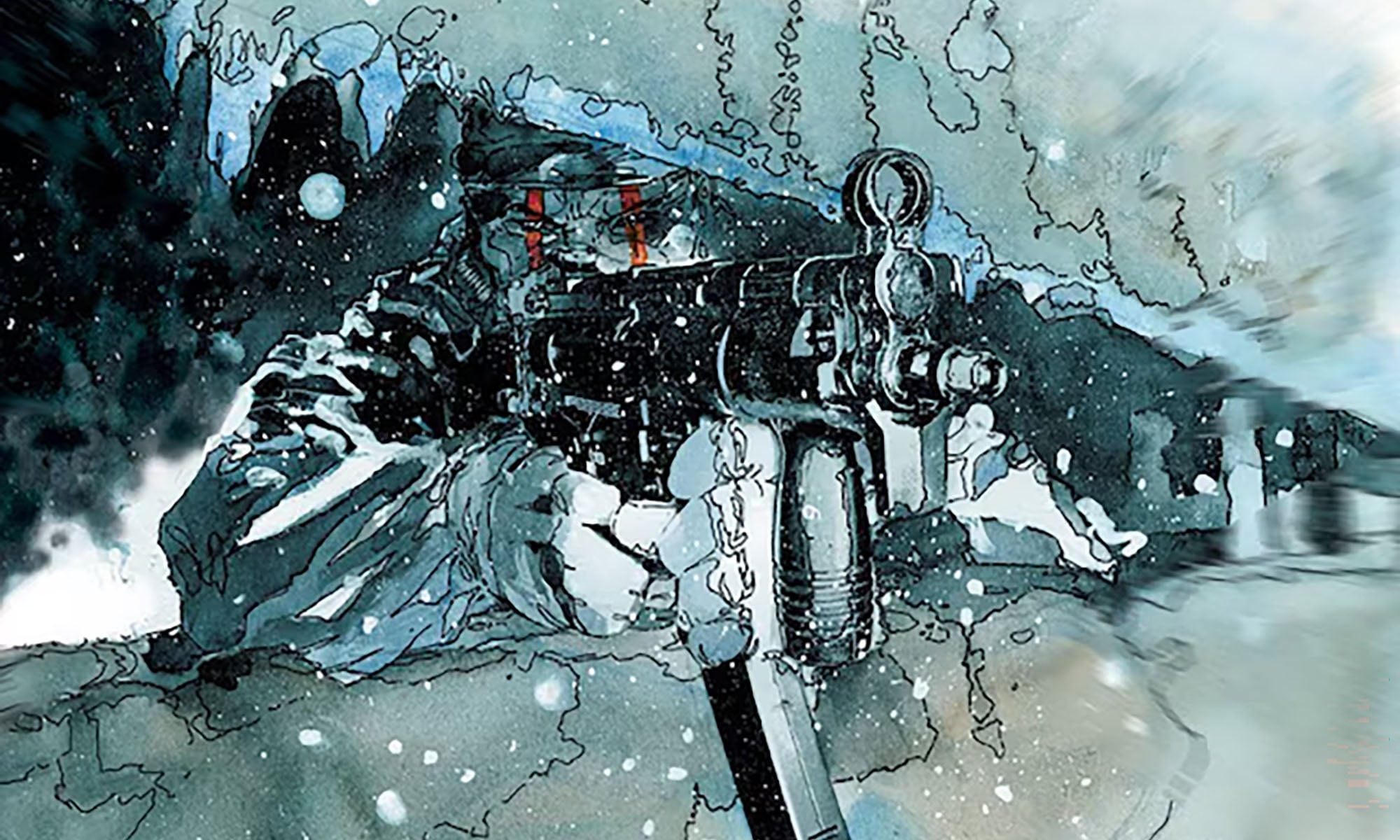
Writer: Brandon Choi, Jim Lee, Steve Gerber
Artists: Jim Lee, Tim Sale, WildStorm FX, Michael Heisler, Todd Klein, Lois Buhalis
Publisher: Image Comics / WildStorm Productions
Genre: Military
Why it's one of Jim Lee's best comics: Brandon Choi and Jim Lee’s Deathblow #1-3 look like Jim Lee trying to escape Jim Lee. The clean lines, bright colors, and beautiful superheroes that made him famous are buried beneath heavy shadows, muted color, and a debt to Frank Miller so obvious the comic practically arrives wearing a Sin City trench coat. But the experiment works because Michael Cray isn’t supposed to look heroic. He’s a government killer dying of cancer, staring backward at a life full of bodies and discovering too late that being good at violence doesn’t make you a good man. Choi’s hard-boiled narration can lean into parody, but Lee draws Cray’s world as a kind of spiritual prison: faces swallowed by black, rain cutting through every scene, and guns rendered not as toys but as tools that have hollowed out the person holding them. By the third issue, with Tim Sale beginning his transition onto the art, the covert-operations story starts mutating into a Catholic apocalypse full of angels, demons, and possible redemption. That shift is the point. Deathblow begins as another ’90s comic about a grim man with a gun, then asks whether a man built for killing can become anything else before he dies.
6. Wildc.a.t.s/X-Men: The Silver Age (1997)
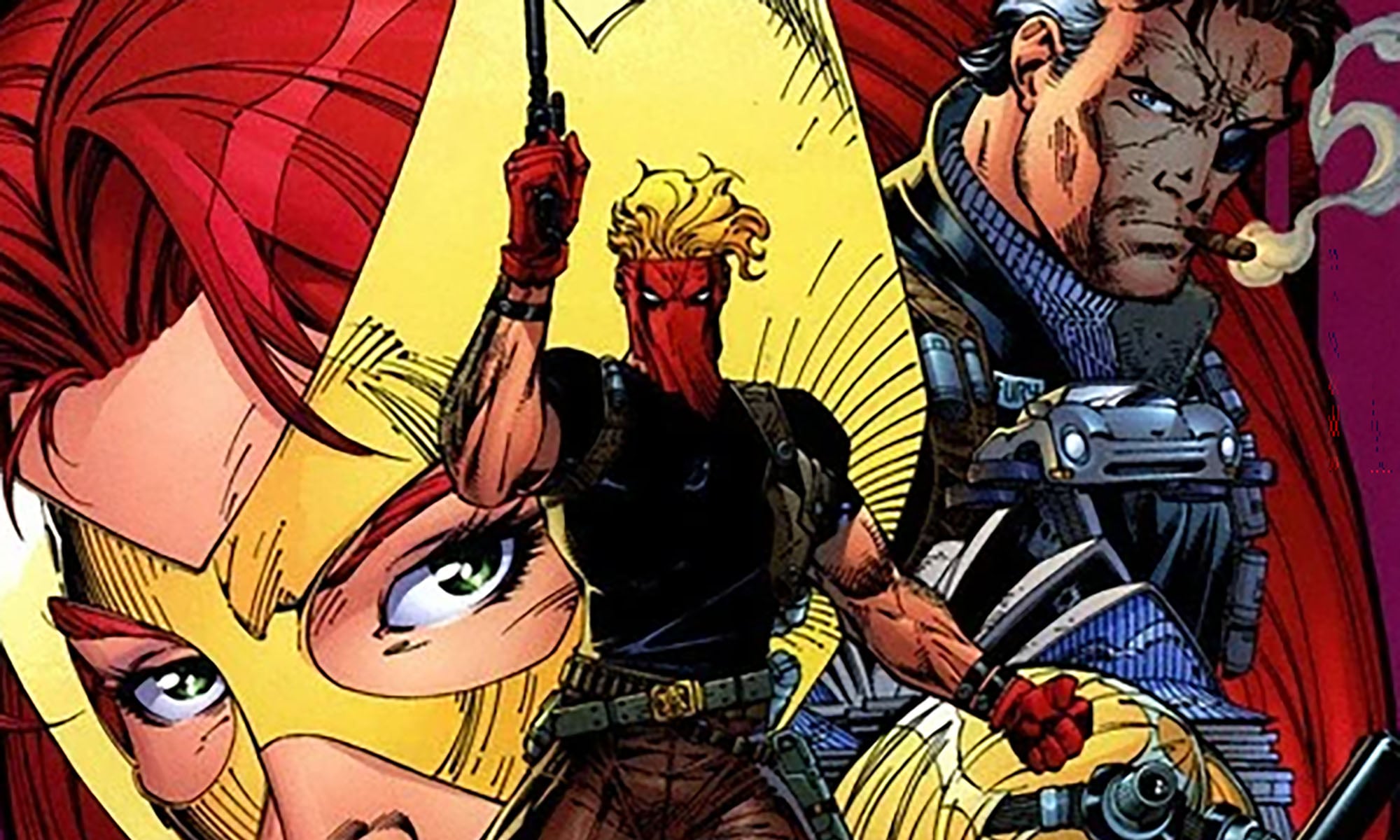
Writer: Scott Lobdell
Artists: Jim Lee, Scott Williams, Joe Chiodo, Comicraft, et al.
Publisher: Image Comics / Marvel Comics / WildStorm Productions
Genre: Superhero
Why it's one of Jim Lee's best comics: Five years after Jim Lee left Marvel Comics to help form Image, he came home to the X-Men... albeit with Grifter tucked under his arm. 1997’s WildC.A.T.s/X-Men: The Silver Age pairs a young Jean Grey with Cole Cash before he became Grifter, sending them on a Nick Fury-approved mission involving Mister Sinister and some deeply inadvisable Brood/Daemonite hybrids. (Because apparently one species of body-snatching alien wasn’t enough.) The plot is fun superhero machinery built to get these characters into the same room, but Lee is the real event. Rather than simply drawing his familiar ’90s X-Men, he filters them through the experimental visual language of Silver Age greats like Neal Adams and Jim Steranko, turning the crossover into both a homecoming and an artistic flex. It’s Jim Lee drawing the team that made him famous alongside the heroes he created after leaving them, and that makes The Silver Age more than an intercompany curiosity. It’s a snapshot of Lee’s career folding back on itself in the coolest way possible.
5. Uncanny X-Men #273 - #277 (1990 - 1991)
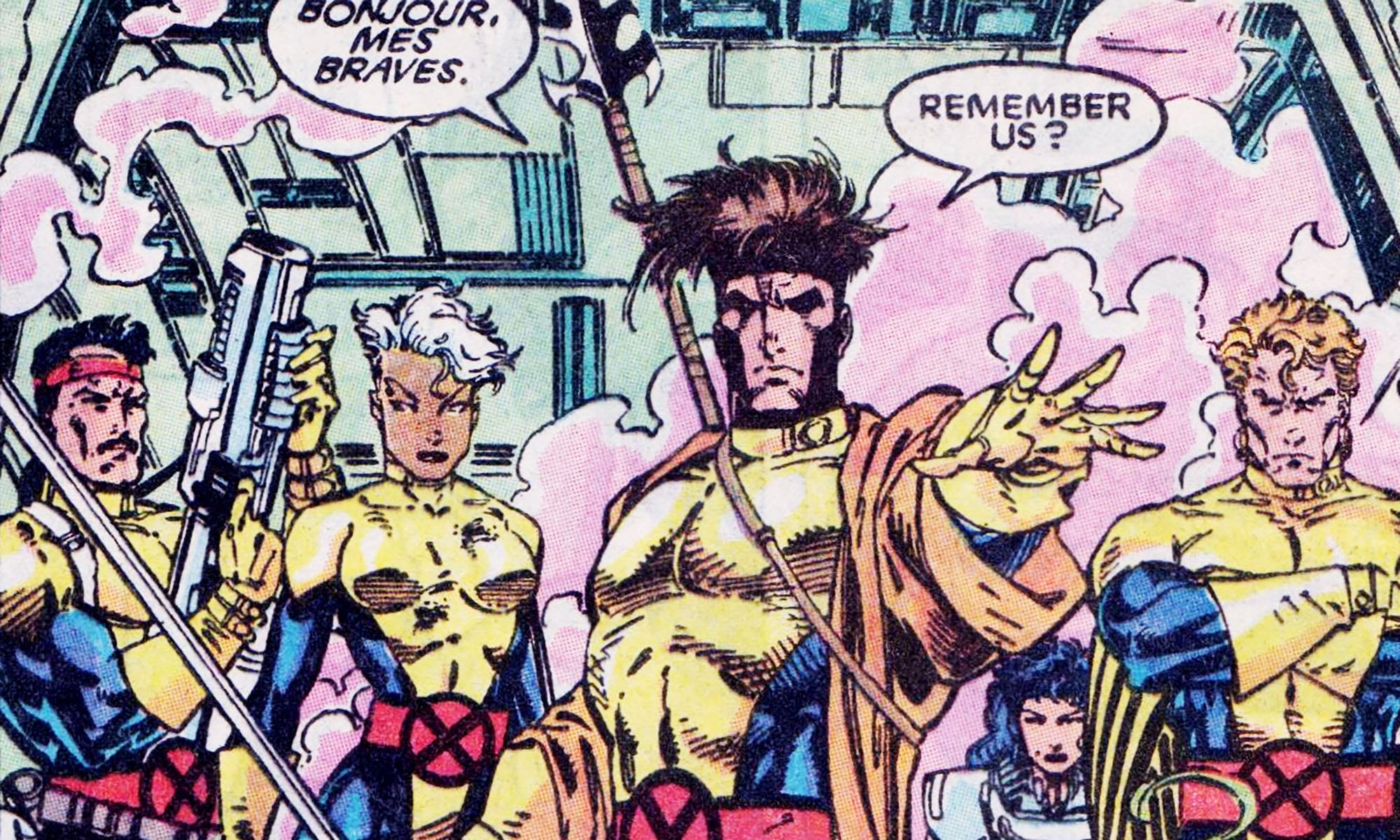
Writer: Chris Claremont
Artists: Jim Lee, Scott Williams, Joe Rosas, Pat Brosseau
Publisher: Marvel Comics
Genre: Superhero
Why it's one of Jim Lee's best comics: The thing that makes Jim Lee’s work in Uncanny X-Men #273-277 so compelling is its range. Issue #273 is a transitional ensemble piece following 'X-Tinction Agenda,' with Lee contributing alongside a staggering collection of former Uncanny artists, but the four issues that follow give him room to show everything he can do. Chris Claremont splits the story between Rogue and Magneto’s dangerous, unexpectedly intimate adventure in the Savage Land and the X-Men’s sprawling trip into space involving Lila Cheney, the Starjammers, the Shi’ar, and the Warskrulls. That means Lee has to move from quiet character tension to dinosaurs, alien armadas, shapeshifters, and superhero action without losing the thread, and he makes all of it feel like part of the same comic. The obvious appeal is the spectacle; this is peak-era Lee drawing cosmic X-Men at an almost absurd scale. But it's the character work that gives these issues staying power; Rogue and Magneto’s chemistry works because of how Lee stages their glances and physical proximity, while the space-bound chapters remain readable despite an enormous cast and Claremont operating at full continuity density. These issues capture the moment when Lee stopped being merely the artist who made Uncanny X-Men look exciting and became the person determining what the X-Men’s entire world should look like.
4. Justice League: Origin (2011 - 2012)
Writer: Geoff Johns
Artists: Jim Lee, Scott Williams, Alex Sinclair, Pat Brousseau
Publisher: DC Comics
Genre: Superhero
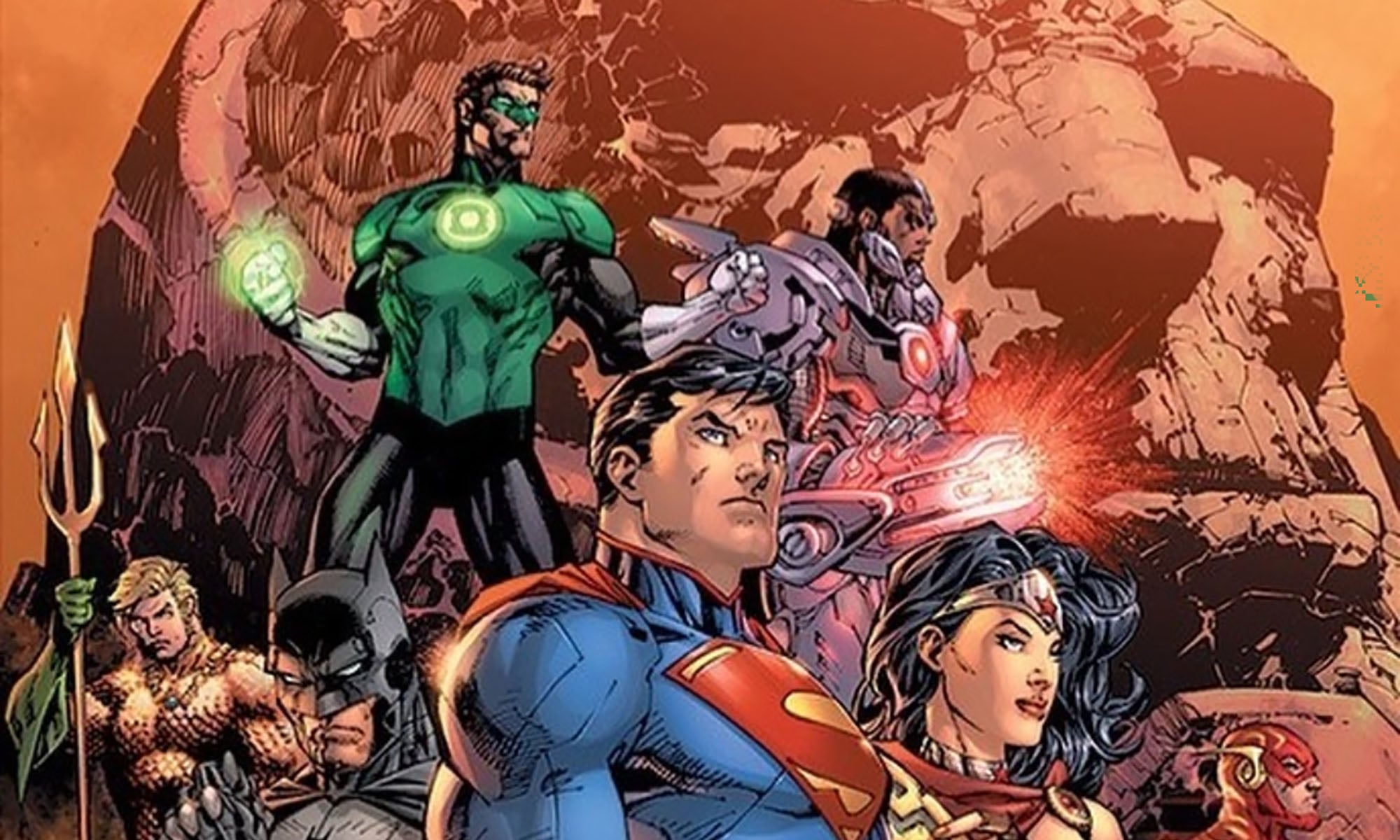
Why it's one of Jim Lee's best comics: Geoff Johns and Jim Lee’s Justice League is less a reinvention of the team than a demonstration of 'The New 52’s operating system: familiar icons rebooted as younger, louder, more suspicious versions of themselves, then thrown together before they’ve learned the social protocols of being superheroes. Batman and Green Lantern meet by arguing; Superman introduces himself with a punch; Wonder Woman wants ice cream and combat; Aquaman has already heard every joke about Aquaman. Only Cyborg understands that becoming part of something larger can also mean losing the life you had before. Johns writes the League as seven incompatible franchises negotiating a crossover, while Lee gives the experiment its necessary physical authority: armored seams, high collars, enormous machinery, and splash pages composed to announce that this is what DC Comics looks like now. Darkseid, appropriately, is less a character than an extinction-level branding exercise, forcing the heroes into the group photograph history expects of them.
3. X-Men #1 - #3 (Years)
Writer: Chris Claremont
Artists: Jim Lee, Scott Williams, Joe Rosas, Tom Orzechowski
Publisher: Marvel Comics
Genre: Superhero
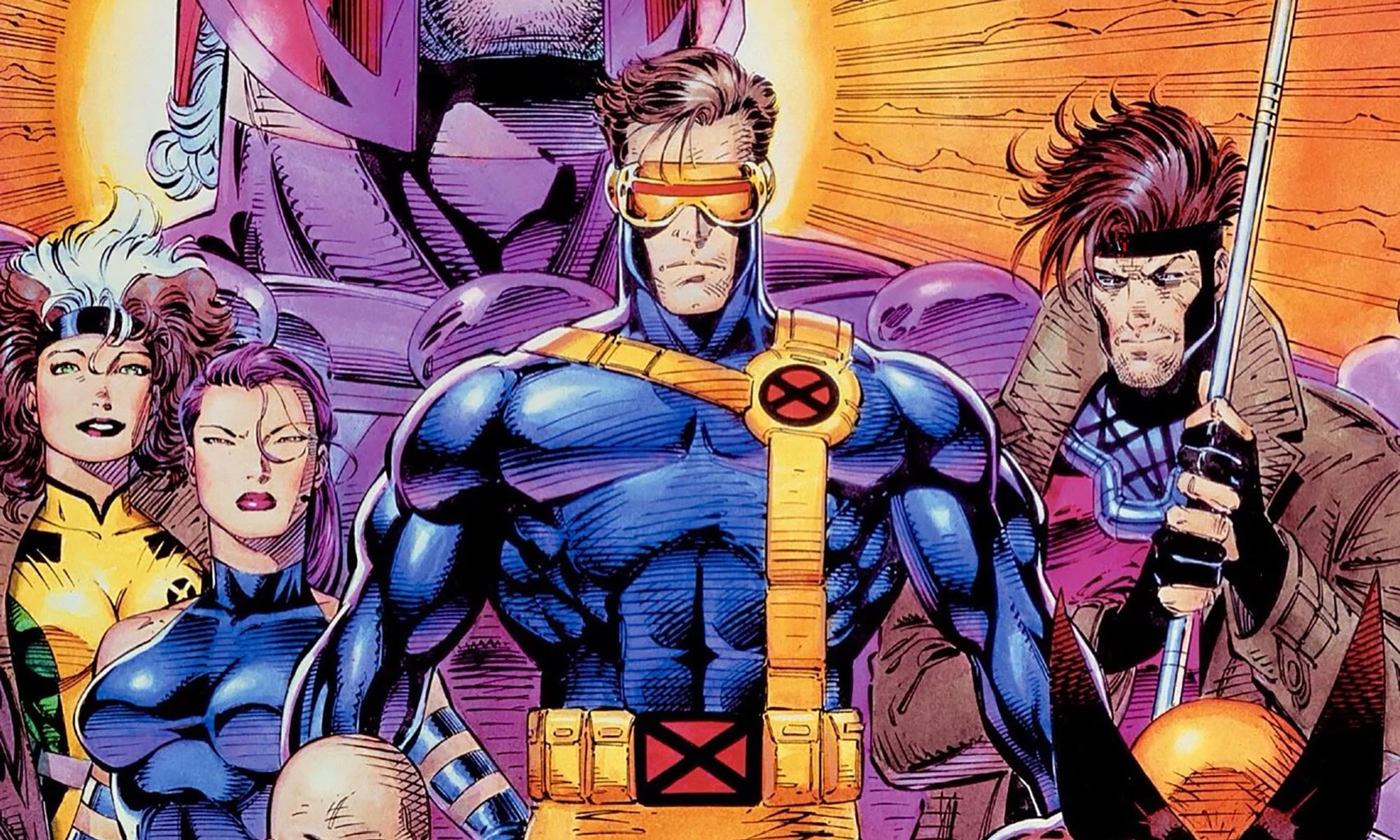
Why it's one of Jim Lee's best comics: The easiest way to explain Jim Lee and Scott Williams’ art in X-Men #1-3 is that Marvel spent much of the next decade (and then some) adapting it into everything else. Cyclops' straps, Rogue’s jacket, Psylocke’s ninja silhouette, Wolverine’s even pointier mask, and the team’s blue-and-gold uniforms became the public face of the franchise, but reducing his contribution to costume design misses how accomplished these pages are. 'Mutant Genesis' contains an absurd number of characters, yet Lee distinguishes each through body language as much as clothing: Cyclops stands like a field commander, Gambit lounges through danger, Wolverine appears perpetually coiled, and Magneto occupies space as though gravity itself has agreed to defer to him. Lee moves confidently between intimate confrontations and enormous scenes aboard Asteroid M, filling the machinery with obsessive detail while keeping the action clear. Even the famous multi-cover panorama for X-Men #1 functions as a statement of purpose: this cast is too large, too energetic, and too important to fit inside one conventional frame. These three issues didn’t merely make the X-Men look cool. They established a visual vocabulary so persuasive that, for millions of readers and viewers, it simply became what the X-Men look like.
2. 'Hush' from Batman #608 - #619 (2002 - 2003)
Writer: Jeph Loeb
Artists: Jim Lee, Scott Williams, Alex Sinclair, Richard Starkings
Publisher: DC Comics
Genre: Superhero
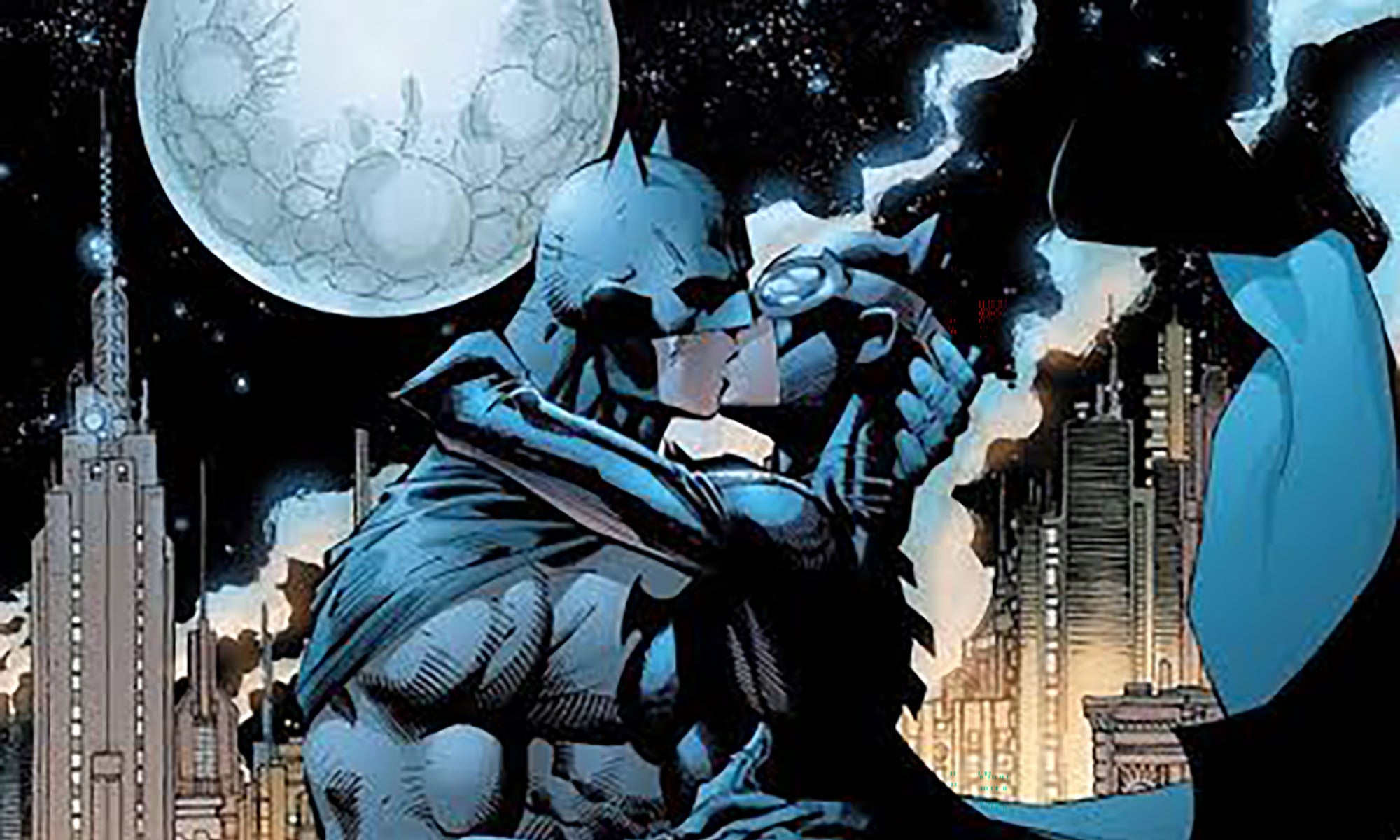
Why it's one of Jim Lee's best comics: The real mystery of 'Hush' isn’t who wrapped themselves in bandages and began stalking Bruce Wayne; it’s how Jim Lee, inker Scott Williams, and colorist Alex Sinclair managed to make nearly every page look like the definitive image of Batman. Lee’s Gotham is an operatic playground of gargoyles, rain, moonlight, and capes that behave less like fabric than sentient weather, but the spectacle never overwhelms his remarkably clear storytelling. Every member of Batman’s sprawling cast arrives looking ready for their own poster: Superman looming over a graveyard, Poison Ivy reclining in greenery, the Joker smiling through blood... yet Lee also sells the smaller moments through posture and expression, particularly the fragile intimacy between Batman and Catwoman. Even Hush’s design, essentially bandages and an excellent coat, became instantly iconic. The plot may be a vehicle engineered to drive Batman past everyone he has ever met, but that is exactly what makes the comic such an extraordinary showcase: Lee doesn’t merely draw Batman’s world; he auditions every corner of it for immortality.
1. Uncanny X-Men #268 (1990)
Writer: Chris Claremont
Artist: Jim Lee, Scott Williams, Glynis Oliver, Tom Orzechowski
Publisher: Marvel Comics
Genre: Superhero
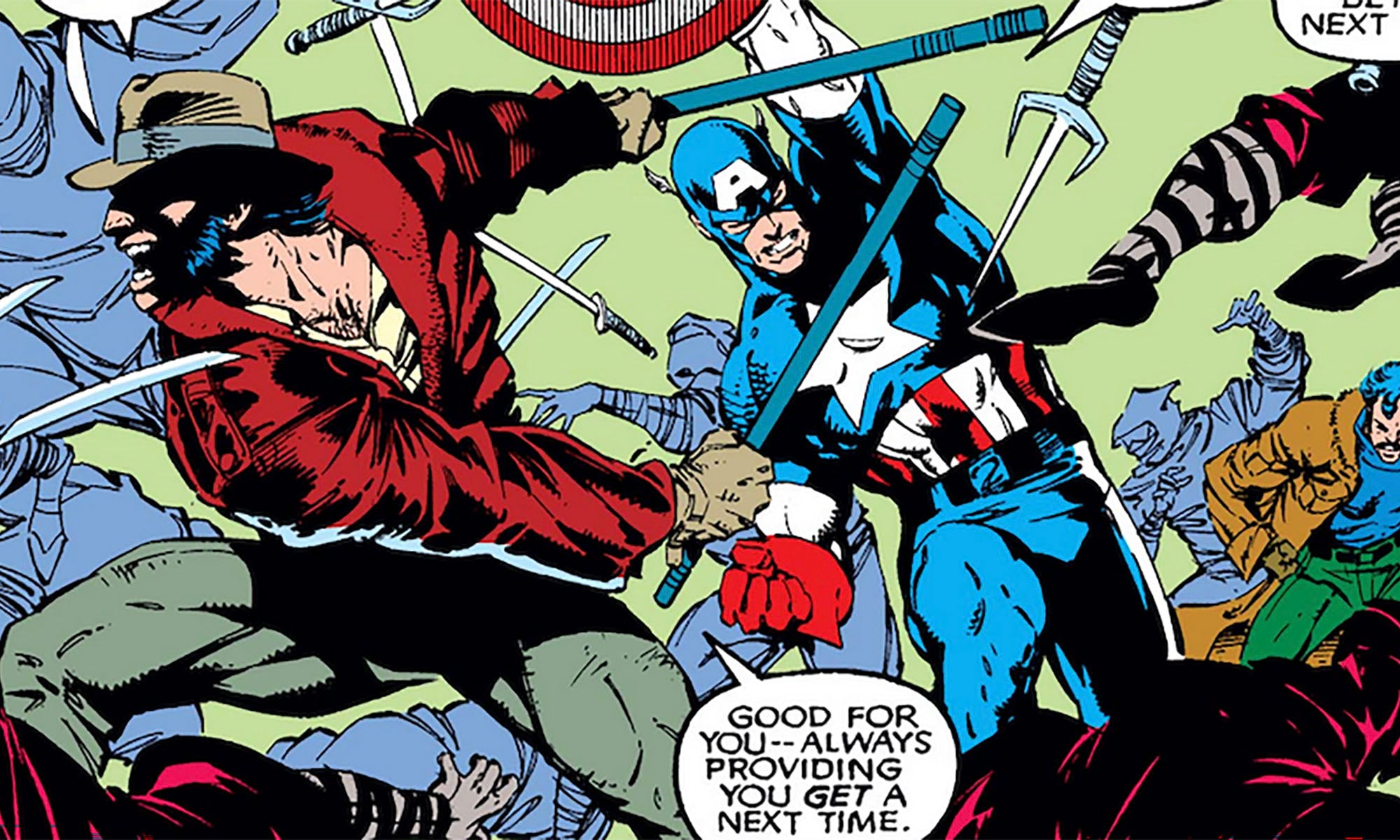
Why it's one of Jim Lee's best comics: Uncanny X-Men #268 is the sort of comic that seems determined to give you your money’s worth. It has Wolverine, Captain America, Black Widow, Psylocke, Jubilee, Nazis, ninjas, two time periods, and enough rain-soaked atmosphere to supply a dozen lesser adventures. The cleverness lies in how Lee keeps this crowded machinery moving. He cuts between 1941 and the present with the confidence of a film editor, using repeated poses and visual echoes to show that Wolverine has been fighting variations of the same battle for decades. His Captain America is clean and upright, a piece of living propaganda; his Wolverine is low, tense, and feral; his Black Widow possesses the unnerving composure of someone who already knows where every body will fall. The plot is complicated, perhaps more complicated than it needs to be, but Lee makes confusion feel like momentum. By the final page, the issue has delivered something rarer than a good crossover: three iconic heroes who share a history and still look as if they belong to entirely different kinds of stories.
Honorable Mentions
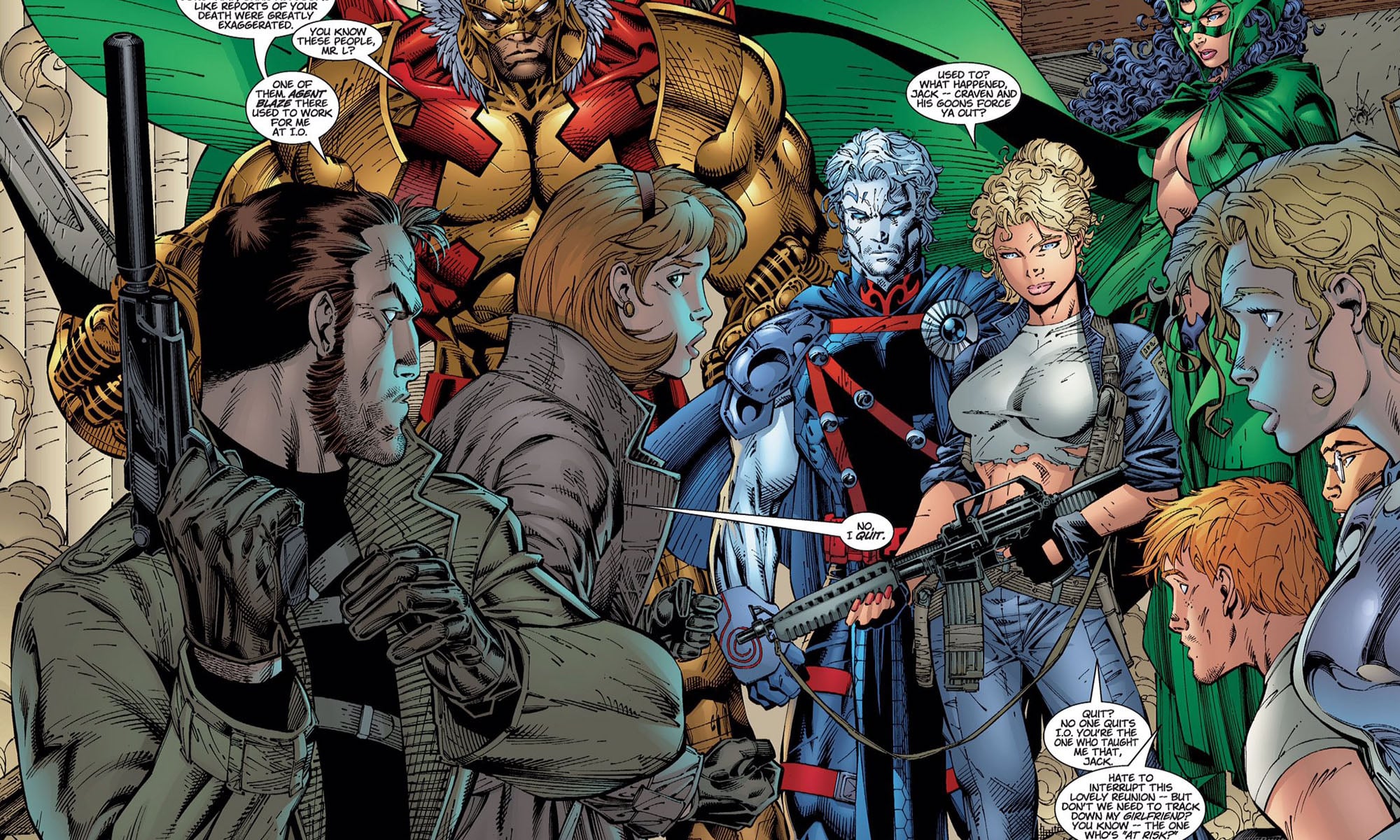
Picking the 10 best Jim Lee comics means leaving out enough great work to fill another top 10, and, frankly, enough pouches to outfit a small army. These next comics didn’t quite make the final ranking, but each shows a different side of what has made Lee one of the defining artists of modern superhero comics. Consider these the honorable mentions: not runners-up so much as your next reading list.
The Omega Red saga (1991) with John Byrne & Scott Lobdell: This arc works because it plays directly to Lee’s strengths, combining an enormous cast, tangled Wolverine history, and a brilliantly overdesigned new villain into remarkably clear blockbuster comics.
Divine Right: The Adventures of Max Faraday (1997 - 1999) with Scott Lobdell: Lee pours his creator-owned ambitions into a deliriously maximalist collision of cosmic mythology, digital-age paranoia, and spectacularly designed heroes and monsters.
Superman Unchained (2013 - 2014) with Scott Snyder: Lee draws Superman with equal parts power and warmth, filling Snyder’s widescreen action epic with images that make the Man of Steel feel genuinely larger than life.
Fantastic Four: Heroes Reborn (1996 - 1997) with Brandon Choi: Lee approaches the Fantastic Four as a complete design challenge, rebuilding their costumes, technology, villains, and world with the glossy science-fiction spectacle the team always deserved.
All-Star Batman & Robin, the Boy Wonder (2005 - 2008) with Frank Miller: Whatever readers make of the story, Lee delivers one of his most committed Batman performances, turning every chase, cave, vehicle, and violently billowing cape into unapologetically grand superhero theater.
The Multiversity: Masterman #1 (2015) with Grant Morrison: Lee’s typically aspirational superhero imagery becomes unsettling in Masterman, where his gift for making power look irresistible is precisely what makes Overman’s fascist world so disturbing.
Where to start reading Jim Lee
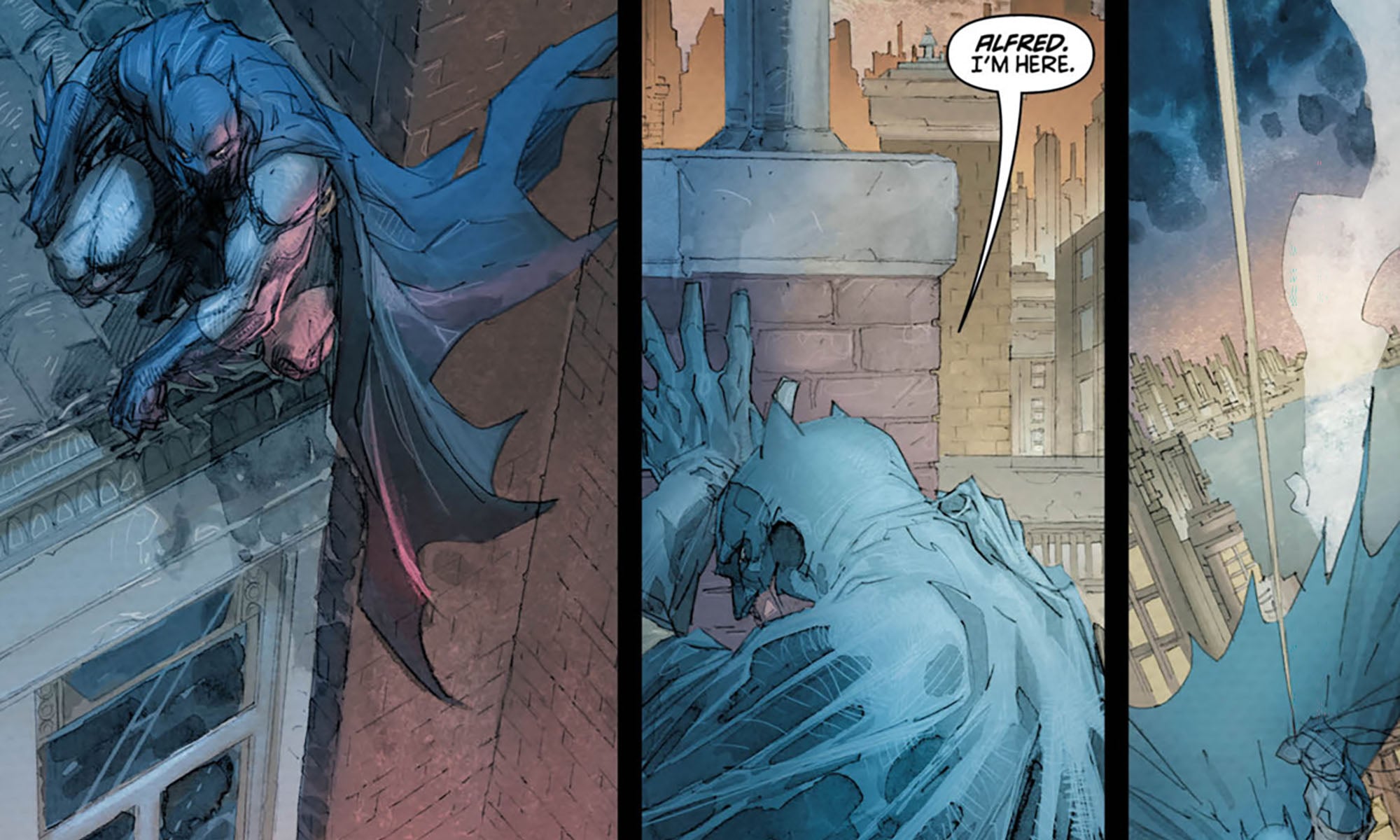
If you've never read Jim Lee...
If you’re going to read one Jim Lee comic first, it should be his X-Men work with Chris Claremont, because this is where Jim Lee becomes 'Jim Lee' in the way that comics history remembers him. All the familiar strengths are already present: the impossibly dynamic action, meticulously rendered technology, instantly iconic costumes, and an ability to make a crowded team shot feel like the most important image you’ve ever seen... but they’re paired with Claremont’s deep investment in character, melodrama, and the idea of the X-Men as a complicated family rather than merely an assembly of marketable superheroes. Better still, the run captures a genuine moment of transition: the culmination of Claremont’s defining 16-year tenure colliding with the visual sensibility that would shape the franchise throughout the ’90s and beyond. Later projects like Batman: Hush may be more polished, but X-Men explains why Lee became a superstar in the first place, and why so many readers still picture these characters exactly as he drew them.
If you like superheroes, read...
If what you love about comics is superheroes in their purest, most crowd-pleasing form, Batman: Hush is the best place to start with Jim Lee. Jeph Loeb’s story takes Batman on a grand tour through almost every corner of his world, from Catwoman and the Joker, to Poison Ivy, Nightwing, Harley Quinn, Ra’s al Ghul, and even Superman, giving Lee the opportunity to draw a seemingly endless succession of iconic characters, locations, fights, and reveals. More importantly, he draws each of them as though this might be the image by which they’ll be remembered: Batman’s cape swallowing the Gotham skyline, Superman looming over a graveyard, and Batman and Catwoman sharing a kiss against the moon. It’s a mystery, romance, team-up, and superhero blockbuster wrapped into one extraordinarily polished package, and it captures Lee’s greatest strength better than perhaps any other comic: his ability to make the familiar feel spectacular all over again.
If you like to see Jim Lee pushing his limits, read...
Batman: Europa is worth reading for anyone who wants to see Jim Lee step outside the immaculately polished superhero style most associated with Hush. Lee only draws the first of the series’ four issues, working from Giuseppe Camuncoli’s layouts, but his pencils, inks, and gray washes give the chapter a rough, expressionistic quality that feels unusually immediate for him. The familiar anatomical precision and dynamic staging are still there, particularly as Batman and the Joker tear through Berlin, but the pages are built from smeared shadows, visible brushwork, and textures that make the city feel grimy enough to rub off on your hands. Without Scott Williams imposing his customary sharp finish, Lee’s line becomes looser and more unpredictable, matching a story in which Batman is infected, running out of time, and forced to depend upon the last person he would ever choose. It’s recognizably Jim Lee, but an agitated, experimental version of him, and one of the clearest demonstrations that his art can do more than make superheroes look iconic.
Interested? Here's where to find your closest local comic store, courtesy of Sweet, and here's a guide to how (and where) to read comics online. If you're looking for the best comics in recent memory, check out the Eisner Awards winners and the Harvey Awards nominees. And if you like free comics, here's everything we know about Free Comic Book Day 2027.
Follow Popverse for upcoming event coverage and news
Find out how we conduct our review by reading our review policy
Let Popverse be your tour guide through the wilderness of pop culture
Sign in and let us help you find your new favorite thing.


Comments
Want to join the discussion? Please activate your account first.
Visit Reedpop ID if you need to resend the confirmation email.