If you click on a link and make a purchase we may receive a small commission. Read our editorial policy.
Brian Azzarello talks end of an era with DC Comics, and what's next for the 100 Bullets Team
An interview with writer Brian Azzarello covering Joker, 100 Bullets, Blood Brothers Mother and more.
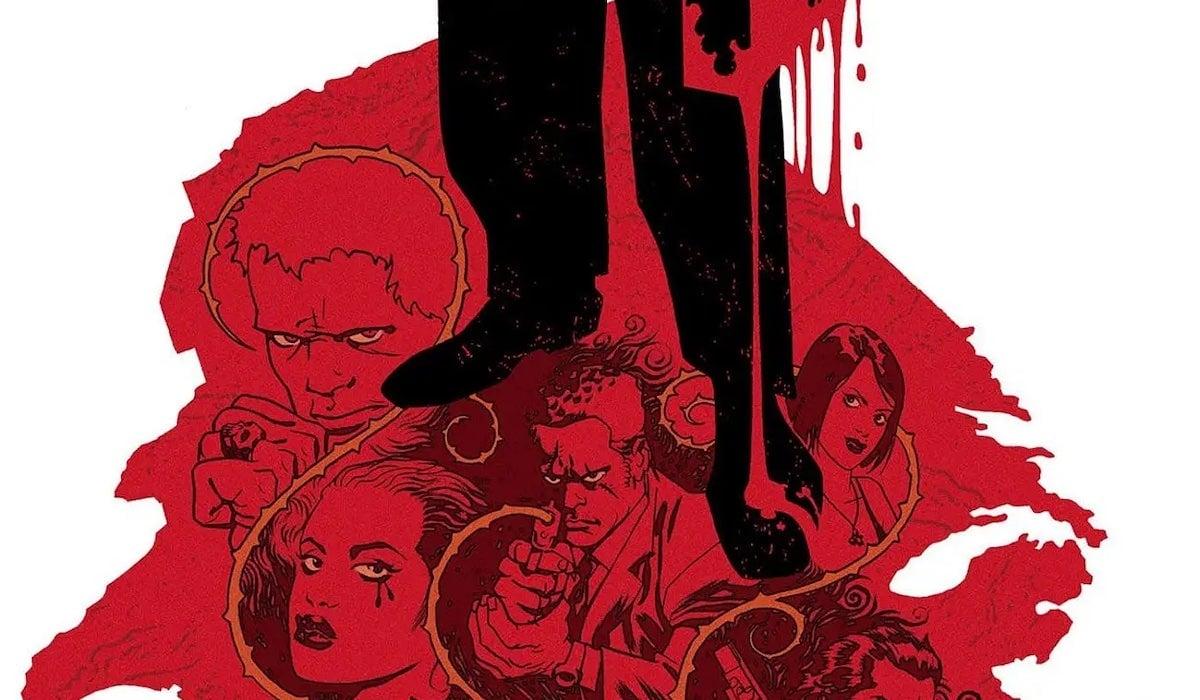
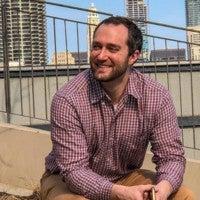
Between 100 Bullets, Joker, Before Watchmen, and Batman: Damned, Brian Azzarello's written some of the highest profile comics of the last 25 years, both creator-owned and for DC Comics. Azzarello's collaborations with Eduardo Risso remain some of the most invigorating in comics, and the duo is back from an extended run on Moonshine via Image Comics for their new series from DSTLRY, The Blood Brothers Mother.
Popverse recently had the chance to connect with Azzarello for a free-flowing conversation about The Blood Brothers Mother, the state of DC Comics, and even a tease for an unannounced comic from BOOM! studios later in the Fall. Azzarello is candid about his views on adaptations, what happened with the Batman: Damned controversy, and much more.
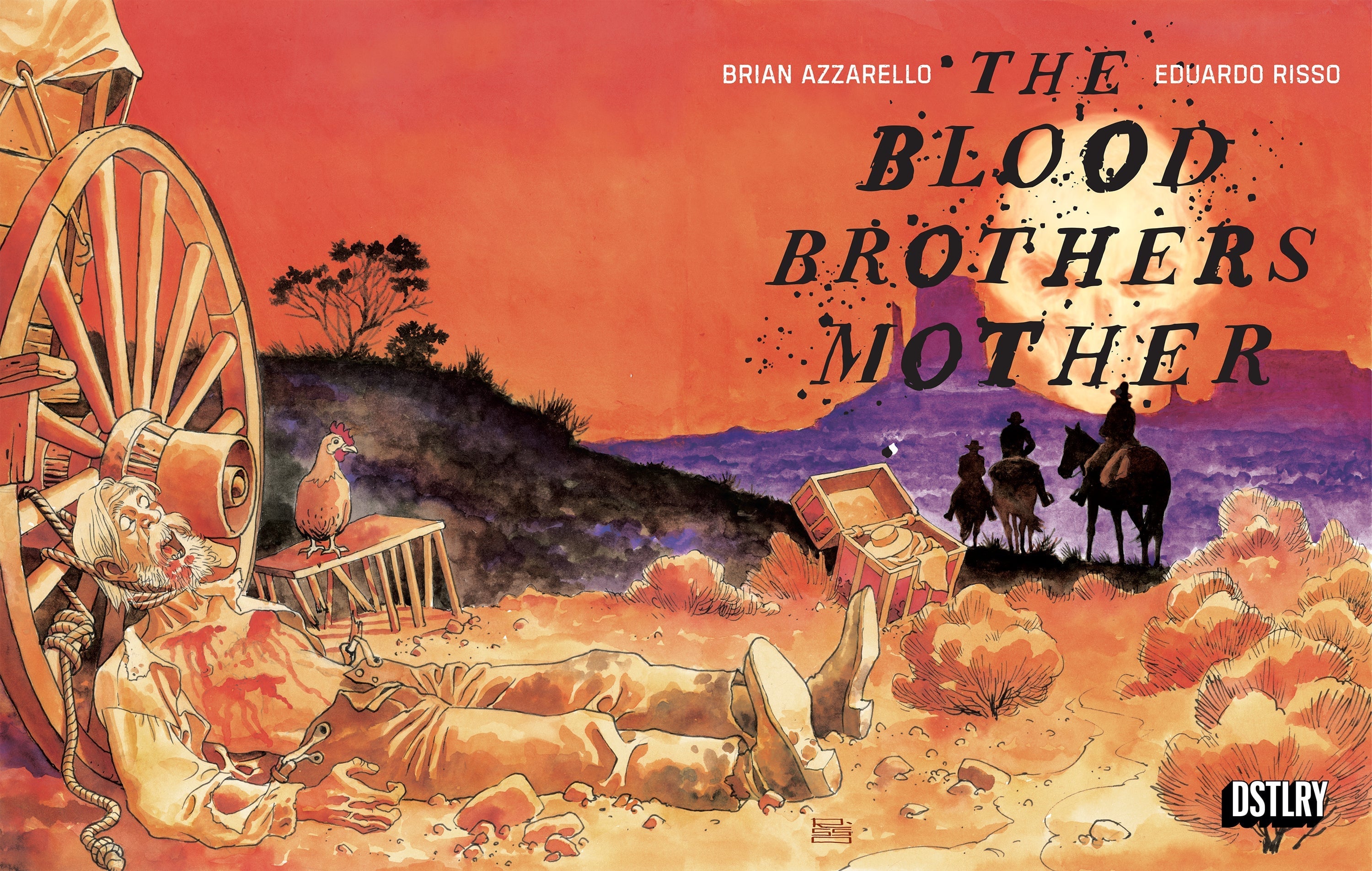
Popverse: You have The Blood Brothers Mother out with Eduardo Risso from DSTLRY this week. What are you most excited for readers to experience with the new book?
Brian Azzarello: Well, right off the bat, on face value, Eduardo's painting it. So the whole thing's painted. And he's known for his really stark, hard black-and-white kind of stuff.
I had sent him a script. And last year we were doing a convention in Budapest, and he said, I have some of the pages here. And they were painted. I'm like, what the hell?
So you didn't know?
No, I had no idea. And he said, I just want to try something different. It's getting boring. I'm like, okay. I said this is like 200 pages. And you're going to be painting it. But it's incredible. I just got new pages from him today. I was looking at my phone at lunch. It's extraordinary. I think it's one of the greatest works he's ever done.
Did you find yourself telling the story differently knowing [Risso] was painting?
I did. Well the first issue, not so much. Then I read through it. Once it's painting, it's like, well we gotta keep a lot of this outside. Just for like the big vistas.
Anything else beyond that, in terms of setting or pacing?
Fewer panels. It's not really that many less because it's DSTLRY and the format is larger. The size already sort of lends itself to painting anyway.
Now you and Eduardo have worked together for nearly 25 years, with long runs on 100 Bullets and Moonshine. Do you find that it's a different approach writing something that you know is tight and contained whereas those other were more sprawling epics?
Well, no, because I know the ending for everything that I do. Yeah, even if it's going to sprawl, I know how it's gonna end. 100 Bullets was pitched with the ending. So I knew 10 years before it ended. That's how you make big sprawling epics tight - because you know where you're going.
You don't want… I'm not gonna say anything against comics, but you don't want to end up like LOST or the X-Files. They just didn't know where they were going.
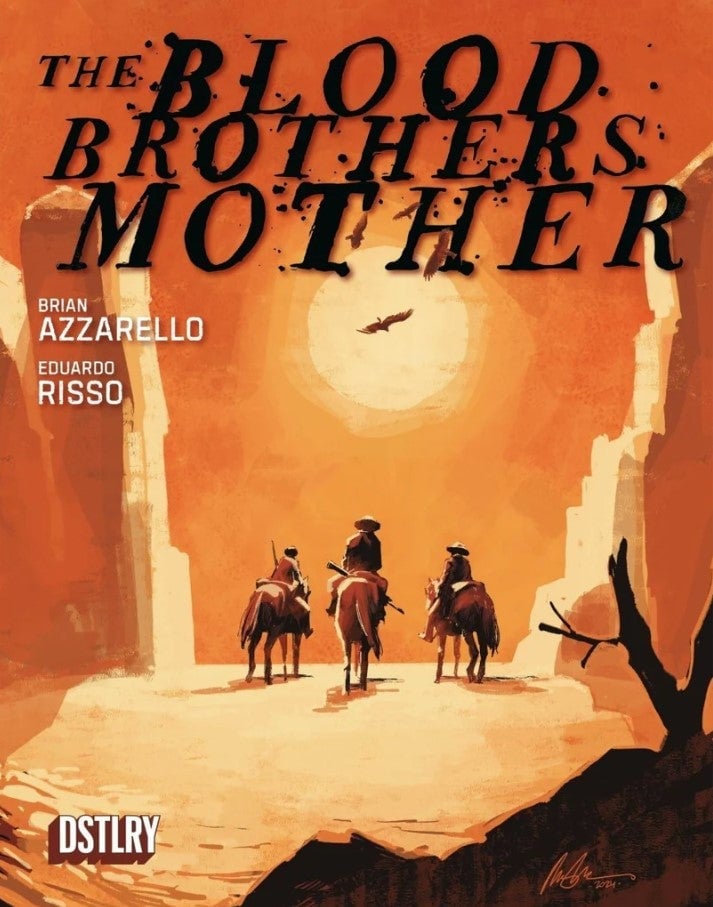
Beyond Eduardo's painted artwork what for you makes The Blood Brothers Mother special?
Well, I mean, it's the story of these kids that have two fathers. One that they knew about and one that they didn't know.
And they keep learning about their past, or what their mother really was. It's all this discovery. You know, my parents died recently. And, like, you go through stuff. And you're just like, what the? Oh my gosh, in the 70's my parents were swingers. Jesus, I had no idea! [laughs]
When Eduardo and I were originally talking about it, it was at the same time when we were pitching Moonshine to Image. It was like, we could do this, or we could do this. And we both said, let's sit on [The Blood Brothers Mother] for a while. We were like, maybe we should be older. This is a real kind of mature story. And it's like, maybe we need something. A little bit more perspective in our own lives.
What are your big Western influences? The book is solicited, and you have Cormac McCarthy in there of course, you have Clint Eastwood - are those your actual go-to's, or is that just what everybody expects?
Those solicits are full of things to make people buy them.
It's definitely got a lot of this spaghetti western, mythic kind of operatic moments to it. But it's also like the Cormac McCarthy stuff because it's very grounded in realism. Which has been a very tough thing to do.
In what way?
There's a lot of things that realistically happen that in our culture right now we really don't talk about. Or it sends up a flag. I'm trying to avoid that stuff. I learned with Batman: Damned. Batman Damned became about one thing. You know? And we worked on that story for - that was like two years of our lives. And then it's one thing. And that's the story. All the other art, nobody talks about.
Are you mad about how [Batman: Damned] went down?
Am I mad? Yeah, I think DC handled it… they couldn't have handled it any poorer.
You haven't done any Black Label books since then - was that a turning point?
Definitely was for Lee [Bermejo].
I did one more thing. What DC is now? There's no room for me there. I just think that the kind of books that they want to publish, and how they want to treat those characters, that's not me anymore.
It used to be - for years, thank God - 'Well, we want your take on this.' They don't want anybody's take on anything. Things are pretty homogenous. The characters are more important than the creators that're working on them. There's nothing wrong with that. Just the way it is.
Do you think that's always how it's gone at the Big 2, or do you think it ebbs and flows based on the market and different factors?
With the amount of money those characters are generating now, they're more important than they were. So their box that they're stuck in, they're really stuck.
One could argue that the films pop, finally, to the point where what they do with their special effects is better than what we do in comics. At least the special effects stuff. Which is one of the reasons I really don't like the superhero movies. Because I don't think there's much story in it. I think we can do way better than they can in story. Those budgets are so high. They have to appeal to the widest amount of people.
I don't know, why am I talking about them and not me? I'm supposed to be promoting myself. [Laughs.]
Sure, it's a big part of your body of work.
And there's stuff that I've done that has made it into the film.
And probably will continue to. They're always mining from comics. Do you find any joy in that? Or at least financial compensation?
Yeah. It is what it is.
When I was younger, I used to think about how 100 Bullets could be a television show, or 100 Bullets could be a movie. Man, I wrote the books. I like the book. If it ever happens, it happens.
Is [100 Bullets] in development limbo?
It's been in development limbo since nearly, I would say, the mid-twenties - the issue numbers.
But it's like here's another check for the option. Here's another check. There's another check. It's not a lot, but it's like free money, I guess.
If they did adapt it, would there be relief? What would the feeling be?
I don't know. I'd have to see it.
I don't know. Maybe I wouldn't even see it. Poor Alan Moore. I wouldn't bitch about it like him.
I did it, though, I wrote it. That's the other thing, like, I've been asked, 'Well, do you want to be a part of the adaptation?' I'll talk to people about it, but I already wrote something. I have other stories I want to tell right now. I want to tell this Blood Brothers Mother story. This story's very important to me, and it's very important to Eduardo. We're both like, hey, we're doing something special right now. That's a really, really creatively satisfying place to be.
I'm never going to tell you that it's the greatest thing I've ever done. I can't stand when people say that. Oh my god, it's like "Shut up." You know, I'm really proud of this. Everything's your best work, and you're really proud of everything.
I don't want to tell you what to think about it. When it does happen, I want people to be able to say what they think without thinking what I told them to say.
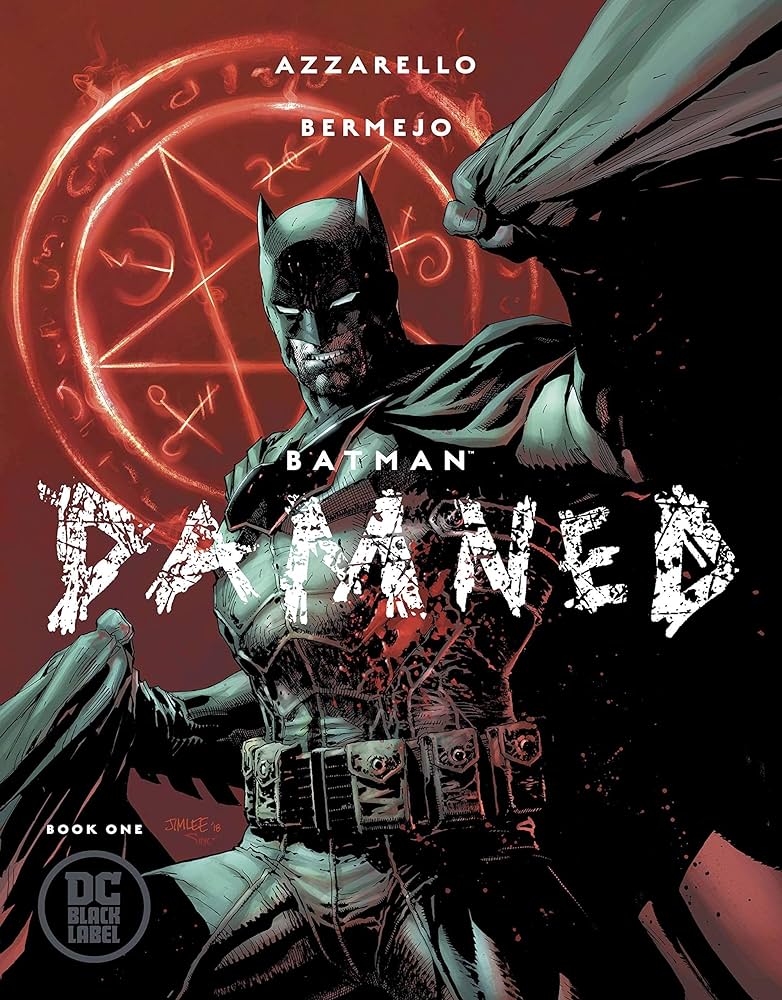
Batman: Damned was obviously a souring experience with DC. Going into that, at the time there was a story that Black Label was going to be you doing a whole line of Joker comics. Is there any truth to this?
Joker, my and Lee's book, was used as an example, saying "This is what we want to do with the other characters." Before it was called Black Label, it was called Jokerverse - just sort of floating around. But not where every book is Joker.
It was just a way for the powers that be to grasp what they were trying to push. Actually, I bet if they said, 'Well, we're going to call it Jokerverse now,' because Joker's worth so much money, they'd say,' Yeah!' It's become so crass.
Joker is being used as one of the new DC entry-line, compact versions of their most popular works. How do you feel about Joker reaching a whole new audience? It's gonna be a lot more people's intro into the world of comics. Is that exciting to you?
Yeah, I mean, it's also kind of like, really? Because it seems like what the DCU is publishing is not that. Alright, you're using this as an introduction, but if somebody picks that up and says, 'This is the Joker I want to read,' where else are they going to go? It's not the way that the characters are being treated in the main line. But they wanna publish it small. Great. Leave the money on the dresser.
Do you think market-wise, as far as like what you're seeing there's room for longer runs? Because Faithless made it 18 between three six-issue volumes. Has it changed too much?
From what I'm seeing, it looks like the big two are doing 5 issue mini-series. And some of the independent companies are going, like, no, we can do something 30 to 40 issues.
As long as we're paying the bills, and keeping the lights on for itself, then we're good. Which is what variant covers are. I used to hate variants. Now I love it. Variant covers are keeping a lot of cover artists in business and I think that's a really good thing.
As a writer, I was like, I only want one cover. I don't need all these other covers. Now, I'm like 'Shut up, don't worry about it.' It's letting all these other people pay their bills. I think it's great.
And, you know, it's better than Funko Pops [laughs]. Some people love them, I know. There always seems to be something. I've been at this for such a long time. There's always something that's keeping the shows afloat: Pogs, Funko, Magic cards for a while. Gets people into shops and it's keeping the lights on. And now, variant comics. Great.
Faithless was definitely outside of what people have come to expect from you in terms of hardboiled crime with 100 Bullets and Moonshine. It taps into that well a bit, but it's more supernatural. What was your takeaway from having done a book like that?
It was great working with Maria. I originally pitched Faithless to Sierra Hahn, who was the editor at Boom at the time, I pitched that as a YA title. I said, 'It's these girls and one of the girl's father's the devil. So there's titillation and a little bit of sex, but like YA sex.' And she's like, 'Why don't we just go hard R. And then, why don't we just go X?'
Like, okay. I've never done that. I like a challenge. And I like not repeating myself.
Would you still be interested in writing YA?
Yeah, that I haven't done yet, so maybe.
Kami Garcia did a YA Constantine book. I gave her such shit. Of all the characters, can't you leave him alone? He has no reason to be YA [laughs]!
But it did really well. Which is good. Now actually considering it and thinking about it, John Constantine is a good YA character because there's a threat about him. There's a seduction to that. I guess I could tell a good YA story of John Constantine. Oh my God [laughs].
Is Constantine / Hellblazer one of your favorites?
I don't particularly like him, but I think that's important. I don't like Batman either. I think that makes for more interesting stories.
I've written one character that I liked and I'll never do it again. Which that was, I'm not gonna say [laughs]. I treated it with kid gloves. I was too beholden to the past. Never want to do that again.
Is there anything else coming up that we should mention?
I'm doing something for the EC relaunch. I like the story. It's going to be a bunch of little short stories when I get a chance to write them.
Then I have another series coming out with Boom, pretty soon. The next fall. This year. It's
taking a lot of my pop culture interests and putting them in the book.
What can you tell us about your pop culture interests that can tease it a little?
There's a lot of metal in it. Like dark death metal.
Who are your favorites?
My absolute favorite is Mayhem. It's very Norwegian. The metal that you can't understand what they're saying, or what, what their logo says, that's the stuff I like.
Do you write to that?
You know I wrote to that when I was doing Wonder Woman.
Thank you, Brian. I really appreciate your time today.
About C2E2
Chicago's signature pop culture weekend returns with US's best artist alley, a roster of must-see TV and movie stars, and more.
Dates
-
Location
McCormick Place, Chicago
United States
Follow Popverse for upcoming event coverage and news
Find out how we conduct our review by reading our review policy
Let Popverse be your tour guide through the wilderness of pop culture
Sign in and let us help you find your new favorite thing.

Comments
Want to join the discussion? Please activate your account first.
Visit Reedpop ID if you need to resend the confirmation email.